How to Choose the Best App for Measuring Calories Today
Key Features to Look for in the Best App for Measuring Calories

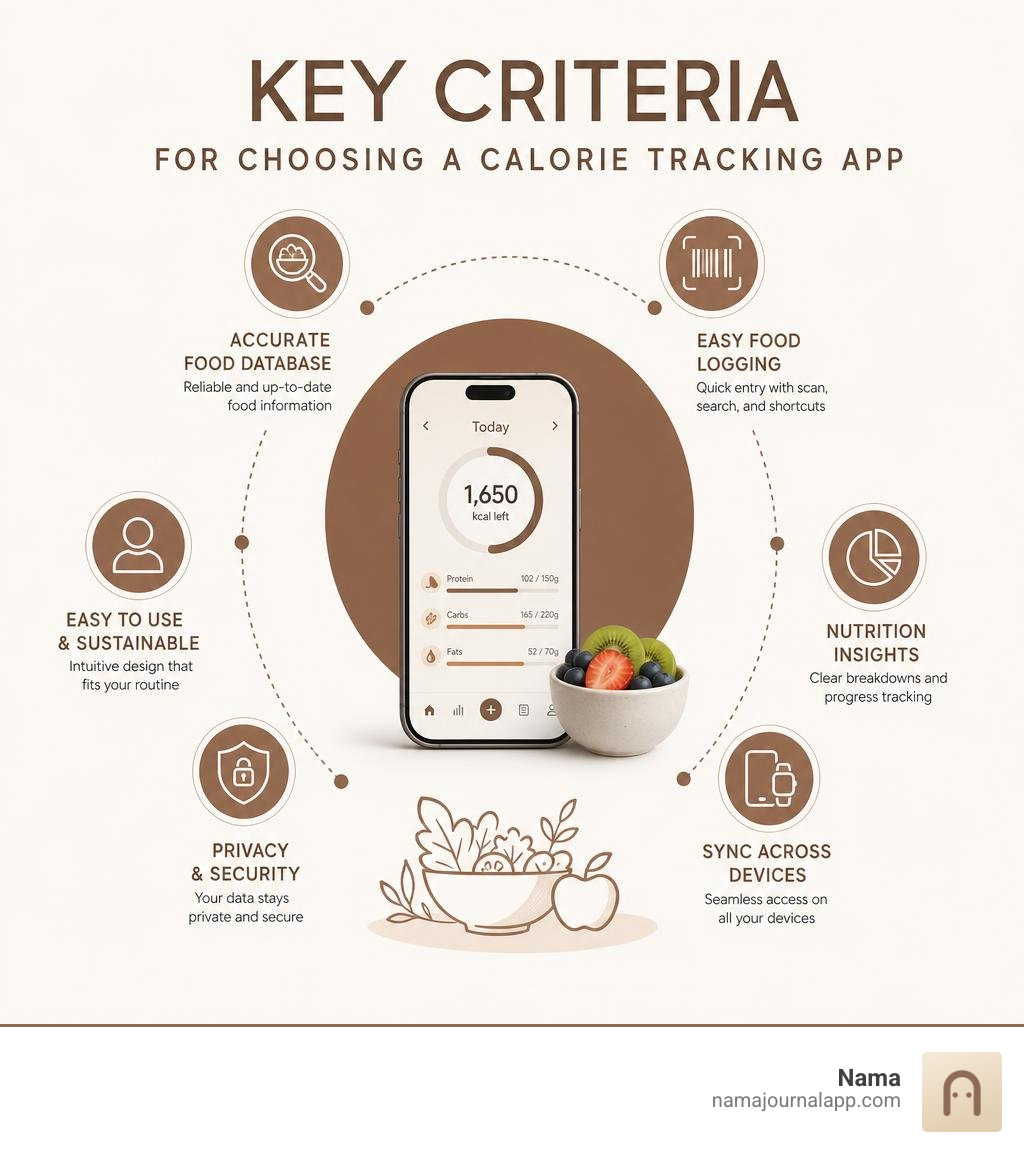
When evaluating tools for daily nutrition logging, certain core capabilities differentiate a frustrating experience from a seamless routine. Finding the best app for measuring calories comes down to how effortlessly a tool fits into your daily workflow while maintaining reasonable data accuracy.
How Database Accuracy Defines the Best App for Measuring Calories
A calorie tracking tool is only as reliable as its underlying food database. Major food tracking applications host massive libraries with millions of global food items, including branded products and restaurant meals. However, sheer volume does not always equal quality.
Many large platforms rely heavily on crowdsourced data. While user-submitted entries expand the database rapidly, they frequently introduce errors—such as missing micronutrients, inaccurate serving sizes, or plain mathematical mistakes. To combat this:
- Look for Verified Entries: Top platforms flag crowdsourced items with a checkmark or verification badge to show the nutrition label has been double-checked against USDA FoodData Central or manufacturer standards.
- Audit Custom Entries: Check whether the platform allows you to edit or override faulty database items locally.
- Mind the Serving Sizes: Ensure the software allows precise unit conversions (grams, ounces, milliliters) rather than generic measurements like "1 plate" or "1 bowl."
Seamless Food Logging Tools and Barcode Scanning
Consistency is the single biggest factor in long-term calorie tracking success. If logging a simple lunch takes five minutes of searching, most people abandon the habit within two weeks.
Barcode scanning remains the primary feature for rapid food data entry in modern health apps. By scanning the QR code or UPC on packaged goods, you can instantly populate calorie counts, fats, carbohydrates, and protein. Beyond barcode readers, look for quick-add tools like:
- Recent & Favorite Items: Instant access to meals you consume regularly.
- Custom Recipe Builders: The ability to input individual raw ingredients, set total recipe yields, and automatically calculate per-portion nutritional values.
- Photo or Smart Logging: Emerging AI tools that estimate meal contents from photos, though these should always be double-checked manually for accuracy.
Comparing Free vs. Premium Features for Food Tracking
Navigating paywalls has become a major part of choosing digital health tools. Understanding what is included in standard tiers versus paid subscriptions helps you decide if upgrading is necessary.
| Feature Category | Free Tier Capabilities | Premium Tier Capabilities |
|---|---|---|
| Calorie & Macro Tracking | Basic daily calorie totals, simple macro splits | Custom macro goals by day/meal, nutrient targets |
| Food Logging | Manual search, basic custom recipes | Advanced barcode scanning, photo AI logging |
| Dietary Guidance | Basic daily summaries | Tailored meal plans, low-carb recipes, diet quizzes |
| Data & Analytics | Daily/weekly calorie history | In-depth trend reports, export capabilities |
| App Experience | Supported by banner ads or pop-ups | Ad-free interface, priority customer support |
Core Features Included in Free App Tiers
For many individuals, a free subscription tier provides more than enough functionality to reach basic weight loss or maintenance goals. Standard features typically include:
- A searchable database containing hundreds of thousands to millions of food items.
- Basic calorie counting against a set daily energy budget.
- Elementary tracking of macronutrients (grams of protein, fat, and carbohydrates).
- Daily logging calendars to keep track of historical intake.
If you are just getting started with nutritional awareness, testing a free version allows you to build the habit without financial commitment. To learn more about building sustainable health routines, explore our Blog.
Advanced Insights Offered by Paid Subscriptions
Premium tiers generally cater to users with specialized goals, such as competitive athletes, individuals on strict therapeutic diets, or those who want deeper analytical insights.
Paid features often unlock customized macro ratios by meal, advanced micronutrient breakdowns (such as fiber, sodium, potassium, and saturated fat tracking), and personalized diet plans. Some services offer guided programs; structured guidance and tailored meal plans can significantly increase the likelihood of reaching long-term fitness goals.
Evaluating Specific Dietary Needs, Macros, and Health Device Integration

Generic calorie budgets do not fit every dietary approach. Depending on your personal wellness path, macro ratios and biometric health integration may matter far more than basic energy balance.
Finding the Best App for Measuring Calories for Keto, Low-Carb, and Diabetes Goals
For specialized diets, total calorie intake is only half the story:
- Keto and Low-Carb Diets: Carbohydrate thresholds are critical for entering and maintaining ketosis. Dedicated low-carb applications emphasize "net carb" calculations (Total Carbs minus Fiber and Sugar Alcohols). Advanced tracking platforms provide access to over a million foods to track, alongside 1,000 low-carb recipes and hundreds of thousands of community-submitted entries designed specifically for high-fat diets.
- Diabetes and Blood Sugar Management: Carbohydrate counting is a fundamental tool for individuals managing Type 2 diabetes to understand how different meals impact blood glucose levels. Tracking carbs alongside health metrics like blood sugar readings, insulin doses, A1c, and cholesterol provides a consolidated view of health trends.
- Personalized Diets: Many modern platforms feature intake quizzes to generate automated meal plans and grocery lists tailored to specific dietary preferences.
Wearable Integration and Fitness Device Syncing
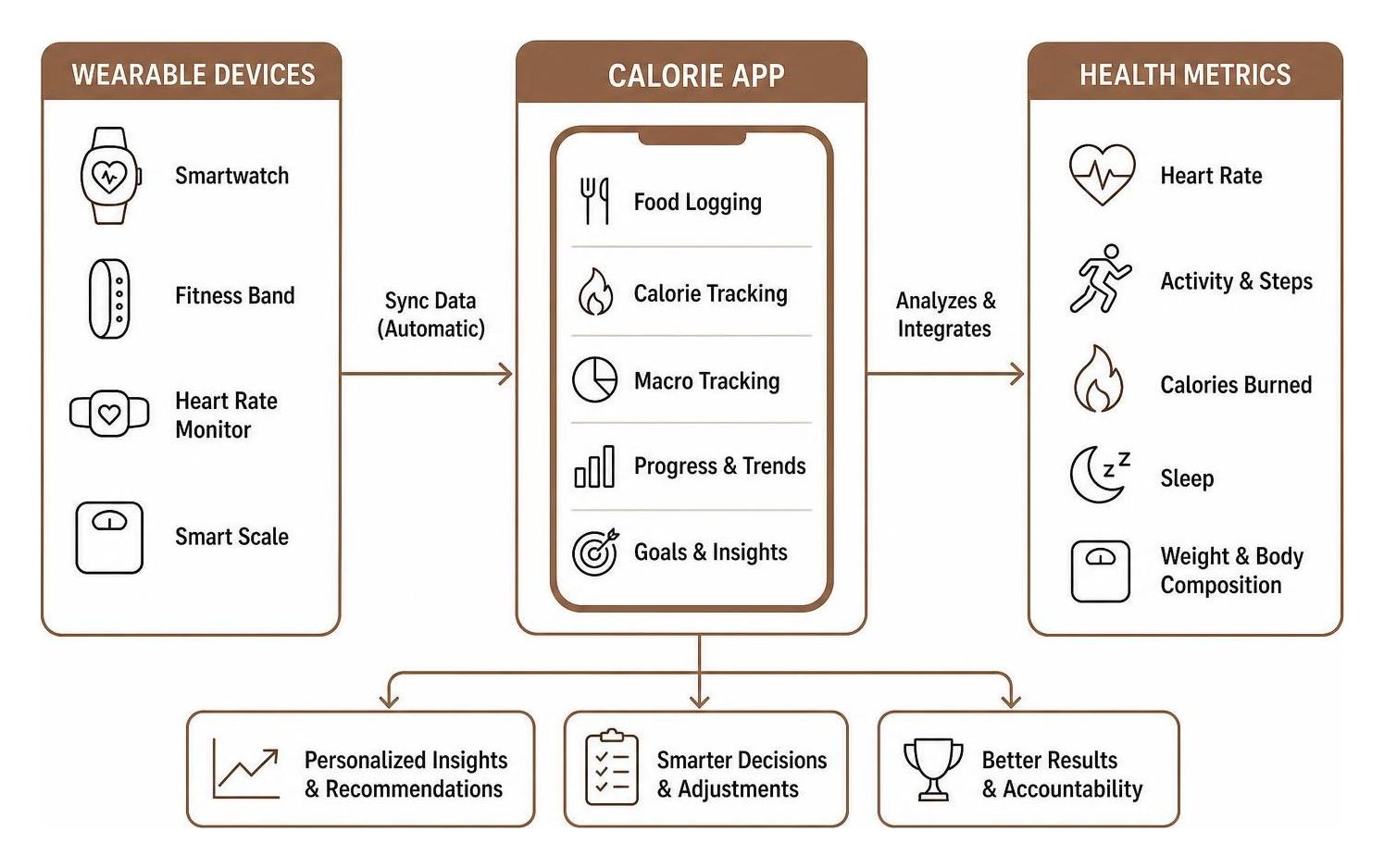
Connecting your food log to fitness platforms—such as Apple Health, Google Fit, or Fitbit—allows for an integrated view of overall daily energy expenditure.
When you sync a wearable device, the application automatically imports active energy burn and steps, adjusting your daily calorie budget accordingly. However, a word of caution: exercise calorie-burn estimates from wearables and mobile apps are prone to overestimation. Use these burn numbers as general references rather than exact allowances to eat back every reported calorie.
Data Privacy, Security, and Offline Calorie Tracking

While digital food logging is convenient, modern mobile applications frequently collect extensive personal data—including weight trends, location data, email addresses, and daily dietary habits.
Protecting Personal Health Data and Nutrition Logs
Most mainstream health apps store user logs on remote cloud servers. This data is often monetized through targeted advertising, shared with third-party data brokers, or rendered vulnerable to remote server data breaches.
When selecting a tool, consider:
- Account Requirements: Does the platform force you to create an account with an email or social sign-in?
- Third-Party Data Sharing: Read the privacy policy to see whether your behavioral and health data is sold to advertisers.
- Monetization Model: Free cloud-based apps often monetize by serving intrusive ads or tracking user behavior across other software.
The Benefits of Local and Offline Logging
For privacy-conscious individuals, offline-first applications offer a powerful alternative. By keeping data entirely local to your device, you maintain total ownership over your sensitive health records.
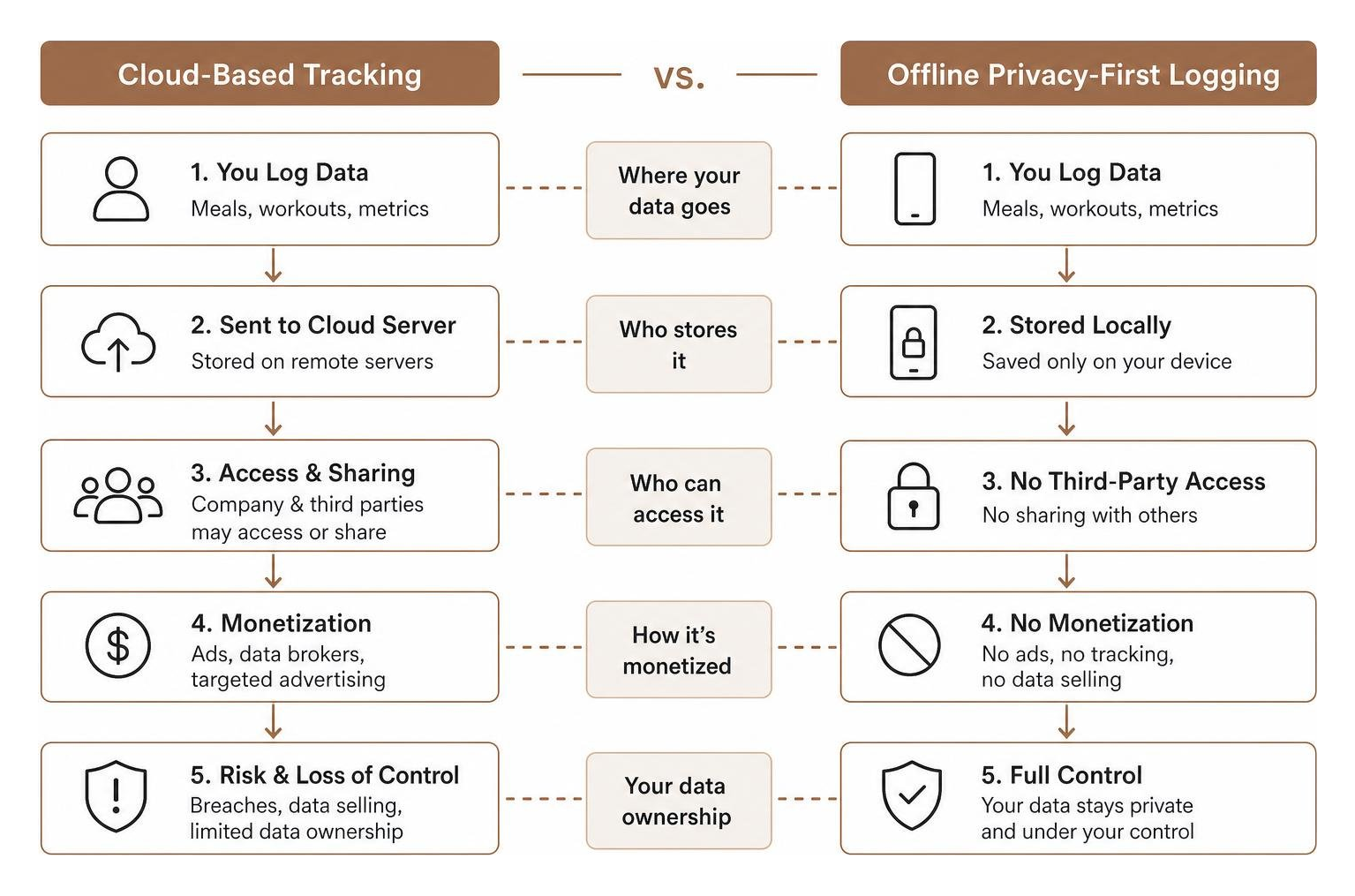
At Nama, we build software around a completely offline, privacy-first design. Operating as a private iOS wellness journal, Nama allows you to log meals, exercises, personal notes, and custom metrics entirely on your iPhone—with no account creation, no external servers tracking your habits, and full control to export your data and photos whenever you wish.
If you ever need help navigating offline features or managing your exported data, you can visit our Support resources.
Frequently Asked Questions About Calorie Tracking Apps
Are exercise calorie estimates on health apps accurate?
Nutrition and fitness experts generally advise caution when interpreting calorie burn estimates from mobile applications or wearable fitness trackers. Much like cardio machine displays, wearable algorithms rely on broad population averages that may not account for individual metabolic differences, lean muscle mass, or movement efficiency. It is usually best to treat exercise burn as a relative gauge of daily activity rather than an exact authorization to consume extra calories.
How does carbohydrate tracking help with diabetes management?
Counting carbohydrates is a key practice for individuals managing diabetes because carbohydrates have the most direct and immediate impact on blood sugar levels. By logging carbohydrate intake at each meal, users can better understand their glycemic response, adjust medical protocols in consultation with their healthcare provider, and maintain more stable daily blood glucose trends.
How do food tracking apps help with long-term adherence?
Food tracking tools support long-term behavioral change by increasing mindfulness around eating habits. Rather than relying on guesswork, logging meals highlights nutrient deficiencies, hidden calorie sources, and emotional eating patterns. Features like goal setting, daily streaks, and simple habit logging turn abstract health targets into actionable, day-to-day choices.
Conclusion
Choosing the best app for measuring calories comes down to your personal health priorities, dietary style, and privacy preferences. Whether you require a massive food database with barcode scanning, specialized net-carb tracking for keto, or blood sugar logging for diabetes management, consistency is what drives real results.
If you prefer to avoid cloud databases, mandatory account sign-ups, and targeted health advertising, an offline wellness journal offers a refreshing, private path forward. Keeping your personal health entries stored locally on your device gives you complete peace of mind while building sustainable daily habits.
Start Tracking Your Daily Habits Privately with Nama today.