Self Care Journal Book Guide: Mindfulness and Reflection Made Simple
Understanding the Self-Care Journaling Difference

Writing in a regular notebook often means sitting down in front of a completely blank page. While free-form writing has its place, it can sometimes feel intimidating or even lead to repetitive venting. A self care journal book bridges this gap by providing deliberate mental wellness frameworks, reflective prompts, and structured check-ins.
Instead of asking you to produce paragraphs of text out of thin air, self-care journaling focuses on emotional processing and intention setting. It encourages you to tune in to how your mind and body feel right now. By tracking your mood, recognizing daily wins, and checking in on your energy levels, you shift your mindset from passive stress to active self-awareness.
Core Benefits of a Self Care Journal Book
Keeping a dedicated self-care book offers far more than just a neat record of your day. Psychological research consistently shows that externalizing thoughts through writing can lower cortisol levels, reduce symptoms of anxiety, and enhance overall emotional regulation.
- Targeted Stress Management: Expressing worries on paper gives your mind permission to pause, preventing endless loops of overthinking.
- Fostering Genuine Self-Compassion: Many top-rated journals focus on self-compassion rather than forced positivity. By recognizing that difficult days are a normal part of being human, you build resilience without feeling guilty when things go off track.
- Identifying Hidden Triggers: Tracking daily habits alongside your mental state helps you notice subtle patterns—like how poor sleep directly affects your patience or how a brief walk boosts your mood.
- Avoiding Toxic Positivity: The best self-care journals don't force you to pretend everything is perfect. Instead, they provide a safe space to validate difficult feelings while offering gentle reframing techniques.
Key Features and Paper Specifications
When selecting a physical self care journal book, the tactile experience matters just as much as the prompt design. A poorly made book that leaks ink or snaps shut while you write can quickly destroy a peaceful routine.
Here are the key physical specifications you should look for before purchasing:
- 120gsm Paper Weight: High-quality paper rated at 120gsm (grams per square meter) prevents fountain pen or marker bleed-through and smudge-related frustration. Standard notebook paper is often only 70 to 80gsm, which leads to distracting ink ghosting on the reverse side.
- Lay-Flat Binding: Look for threadbound or Smyth-sewn construction. Lay-flat binding allows the book to rest completely open on your desk, giving you a comfortable, hands-free writing space.
- FSC-Certified Archival Paper: Paper certified by the Forest Stewardship Council (FSC) ensures environmental sustainability, while acid-free, ISO 9706 long-life standards guarantee your entries won't yellow over time.
- Undated Pages: Dated journals create artificial pressure. Undated layouts ensure that if you miss a few days or weeks, you can jump right back in without wasting paper or feeling a wave of guilt.
- Ribbon Markers and Closures: Features like dual ribbon bookmarks, built-in elastic closure bands, and expandable back storage pockets make daily check-ins seamless and practical.
Choosing the Right Self Care Journal Book for Your Needs
Finding the right guided journal comes down to aligning the book's structure with your personal goals and lifestyle. If you struggle with time, a concise 3-minute morning and evening log will serve you better than a dense, hour-long daily workbook.
| Journal Type | Best For | Typical Format | Primary Focus |
|---|---|---|---|
| Guided Prompts | Beginners & structural thinkers | 30 to 90 days, undated daily spreads | Emotional reframing, mindfulness, and self-compassion |
| Weekly Habit Trackers | Busy professionals & action-oriented users | 52 weekly grids (1 year) | Routine building, sleep tracking, and physical wellness |
| Modular Themed Books | Specific topic deep-dives | 30-day single-subject workbooks | Boundaries, coping mechanisms, or resilience building |
| Astrological / Personalized | Gift buyers & self-discovery seekers | Custom printed layouts based on birth dates | Sun-sign trait exploration and bespoke reflection |
Popular Types: Guided, Weekly, and Astrological
Different journal designs cater to distinct reflective styles. Guided daily books provide specific prompts each morning and evening to anchor your thoughts. Weekly habit trackers, such as the Self-Caring Myself Habit Tracker Journal by Knock Knock | Hachette UK , use 52 weekly grids to give you a broad, low-pressure overview of your wellness habits across a full year.
Modular series divide broad self-care concepts into bite-sized, 30-day workbooks focusing on specific sub-topics like setting boundaries, building resilience, or creating coping strategies. Meanwhile, personalized astrological journals incorporate custom birth-date traits to tailor daily reflection prompts specifically to your personality.
Price Ranges and Budget Planning
Self-care journals fit every budget tier, depending on paper quality, binding materials, and level of customization:
- Budget ($5 – $15 USD): Simple paperback notebooks, basic weekly habit grids, and softcover wellness workbooks.
- Mid-Range ($16 – $28 USD): High-grade 120gsm hardcover journals featuring ribbon markers, sticker packs, lay-flat thread binding, and expert-backed daily prompt layouts.
- Premium & Personalized ($29 – $45+ USD): Bespoke printed books, therapist-backed research journals with cloth covers, and complete multi-volume modular box sets.
Top Expert-Recommended Journals on the Market
Clinical research into self-compassion—such as the Mindful Self-Compassion (MSC) framework developed by leading clinical psychologists—highlights the power of non-judgmental writing. Expert-backed journals move away from generic gratitude lists to help you process complex emotions safely. If you prefer to capture these personal data points digitally, exploring options to track anything gives you equal flexibility on your mobile device.
Best Self Care Journal Book Recommendations
Here are some of the standout physical self-care journals available, each designed for a unique reflection style:
1. The Give Yourself Kindness Journal
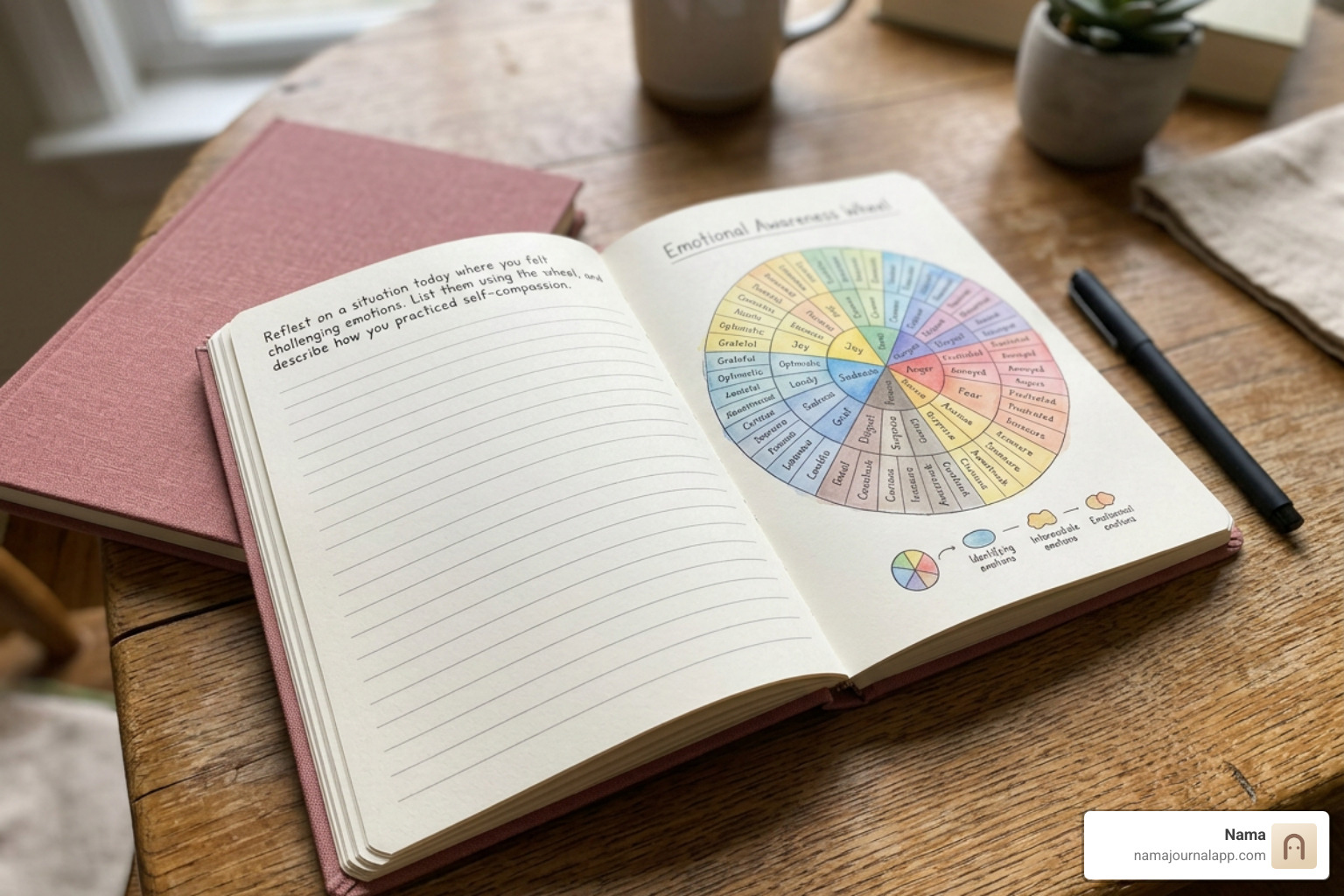
Recommended by clinical psychologists from Harvard and Oxford, The Give Yourself Kindness Journal (*Expert Recommended) is built entirely on self-compassion research. Priced at $45.02 USD, it features 90 unique days of undated prompts, 120gsm FSC-certified paper, and a beautiful cloth cover. Instead of pushing forced positivity, it includes a visual emotional awareness tool that validates every emotion you experience.
2. Clever Fox Self-Care Journal
Priced at $28.99 USD, this 90-day guided mental health planner focuses on total wellness. It uses a thick 120gsm bleed-resistant paper, vegan leather hardcover, 3 ribbon bookmarks, and includes 3 sheets of colorful planner stickers. Each daily spread includes a morning intention section and an evening reflection page, backed by a 60-day money-back guarantee.
3. Keep Moving: The Journal by Maggie Smith
Published by Simon & Schuster at a list price of $16.00 USD, Keep Moving: The Journal | Book by Maggie Smith | Official Publisher Page | Simon & Schuster offers a 160-page collection of 52 creative exercises. Built around poetically framed "notes to self," this book focuses on healing, self-forgiveness, and finding hope during major life transitions.
4. Notes to Self: A Journal for Self-Care
Written by Lisa Currie and published by Tarcher/Penguin, Notes to Self | Penguin Random House Retail is priced at $17.00 USD. This 160-page paperback uses playful visual activities, illustrated prompts, and creative lists to help you decompress from daily stress.
5. Self-Care for Every Day Journal
Published by Summersdale, the Self-Care for Every Day Journal by Summersdale Publishers | Hachette UK offers concise daily encouragement, bitesize exercises, and mindfulness activities designed to fit easily into a busy work schedule.
6. 2026 Self Care Journal & Planner
For a complete yearly setup, the 2026 Self Care Journal & Planner - Project Sunny Side Up combines an introspective self-care workbook, vision boards, habit tracking grids, and daily planning pages. It features 120gsm internal white paper, stress-relieving coloring pages, and dedicated monthly reflection spreads.
How to Build a Sustainable Self-Care Routine
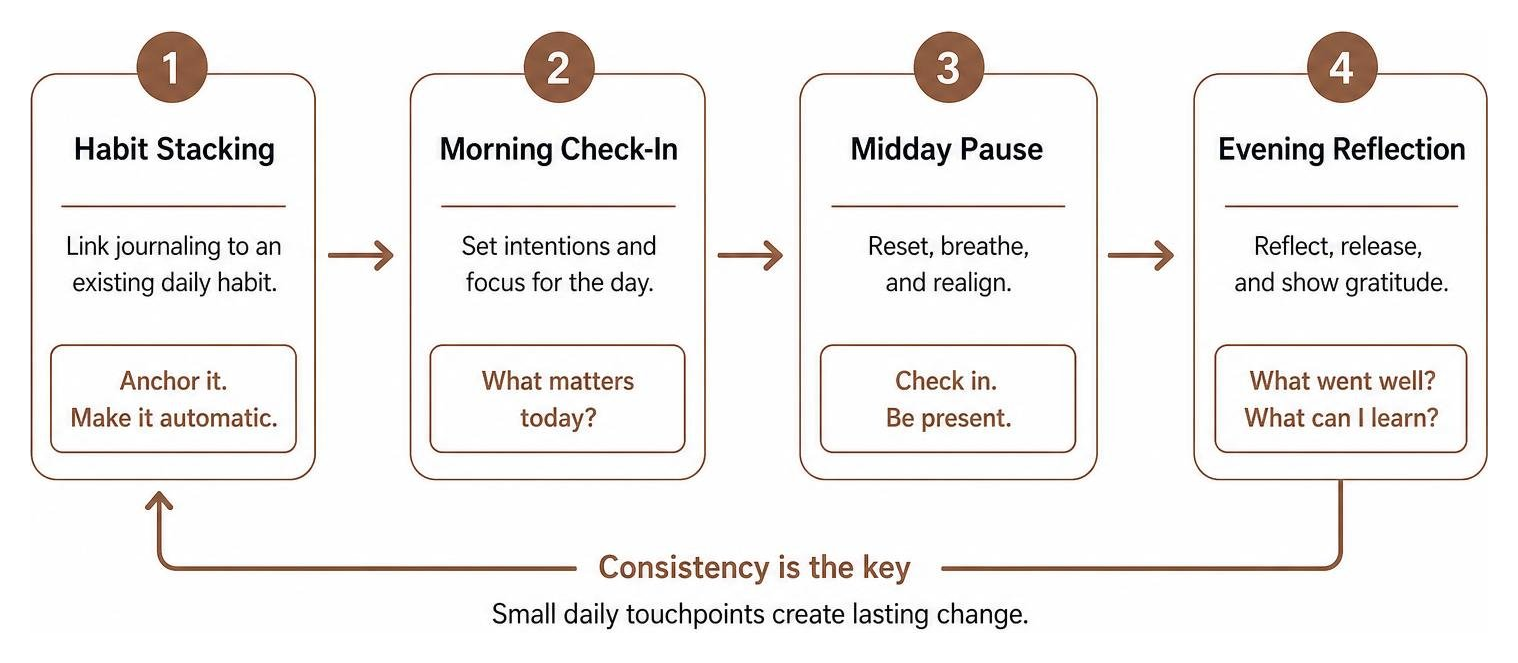
Purchasing a self care journal book is only the first step; the real transformation happens when you build a consistent habit. To avoid journal burnout, frame your writing practice around small, daily touchpoints rather than lengthy obligations.
1. Practice Habit Stacking
The easiest way to make journaling automatic is to link it to an existing habit. Place your journal on top of your coffee maker or next to your nightstand. Pair your morning reflection directly with your first cup of tea, or write your evening entries right after brushing your teeth.
2. Focus on the 6 Wellness Pillars
Effective self-care balances your physical and emotional needs. Rotate your focus across these core pillars over the week:
- Energy: Monitoring daily vitality and fatigue levels.
- Mind: Processing mental chatter and emotional patterns.
- Movement: Tracking physical activity and joyful body movement.
- Nourishment: Reflecting on hydration, meals, and intuitive eating.
- Connection: Nurturing meaningful relationships and setting personal boundaries.
- Rest: Prioritizing sleep quality and intentional downtime.
3. Adopt Non-Linear Reflection
You don't need to complete every page in strict chronological order. If a specific prompt doesn't speak to your current mood, flip to a section that feels helpful right now. Giving yourself permission to dip in and out keeps the practice enjoyable. If you prefer to log quick daily entries on the go, utilizing digital tools for seamless journal and notes entries ensures you never lose a fleeting thought.
Frequently Asked Questions
Can a self-care journal help with stress and anxiety?
Yes. Writing down your fears, anxieties, and daily thoughts provides an emotional outlet that externalizes inner tension. Studies show that structured journaling helps quiet a hyperactive nervous system, reduces rumination, and allows you to reframe cognitive distortions into manageable, logical actions.
How do I maintain consistency without feeling guilty?
Focus on micro-journaling rather than writing long essays. Spent just two minutes logging three bullet points: one thing you need today, one mood check-in, and one small win. Selecting an undated self care journal book removes calendar pressure entirely, allowing you to pick up right where you left off without facing blank, wasted pages.
What is the difference between dated and undated journals?
Dated journals follow a rigid calendar structure, assigning specific dates to every page. While great for strict schedulers, missed days leave noticeable gaps that often trigger guilt. Undated journals give you complete freedom, letting you write daily, weekly, or whenever you need support, ensuring 100% of the pages are fully utilized.
Conclusion
Whether you choose a physical self care journal book filled with heavy 120gsm paper or an expert-backed guided workbook, the ultimate goal remains the same: creating a private, quiet space to check in with yourself. Taking just five minutes a day to reflect on your physical and emotional needs can transform how you handle stress, build resilience, and practice genuine self-compassion.

While physical paper journals offer a tactile escape from computer screens, many people find it challenging to carry a physical book everywhere or worry about keeping personal thoughts completely secure from prying eyes.
If you love the mental health benefits of self-care journaling but want digital convenience and absolute privacy, Nama offers a powerful alternative. Nama is a private iOS wellness-journal app designed around a privacy-first philosophy. It requires no account creation, contains zero ads, and operates entirely offline.
All your entries, photos, custom health metrics, and personal reflections are stored locally on your iPhone, giving you full control over your personal data. Discover how easy it is to track your wellness journey privately by visiting Nama Features.