The Best Free App for Tracking Micronutrients Without Paying a Cent
Core Features of the Best Free App for Tracking Micronutrients

When searching for the best free app for tracking micronutrients, it helps to understand what separates a surface-level calorie counter from a true micronutrient tracker. Most calorie apps concentrate heavily on total energy intake and basic macronutrients like carbohydrates, fats, and proteins. However, optimal wellness, physical recovery, and daily stamina rely just as heavily on microscopic elements: vitamins, trace minerals, and key electrolytes.
To get real value without opening your wallet, a tracker should offer core features that make consistent logging achievable:
- Comprehensive Nutrient Breakdown: The app must record broad-spectrum micronutrients rather than stopping at standard sodium and vitamin C levels.
- Flexible Logging Methods: Features like quick barcode scanning, meal copying, and custom food entry prevent daily tracking burnout.
- Hydration and Electrolyte Syncing: Tracking daily fluid balance alongside key minerals (sodium, potassium, magnesium) helps prevent cramping and sluggishness.
- Verified Database Data: Micronutrient tracking is only as good as the underlying food entries. Unverified crowdsourced items often omit micronutrient values entirely.
If you are already maintaining a flexible personal log, combining a structured Food Diary or a standalone Calorie Tracker App with dedicated nutrient auditing keeps your habits clear and actionable.
Key Essential Vitamins and Minerals Covered by the Best Free App for Tracking Micronutrients
Not all nutrition trackers evaluate food entries with the same precision. Standard apps often monitor roughly 15 total parameters, leaving major dietary blind spots. In contrast, top-tier micronutrient tools dive into dozens of distinct nutrients to reveal how well your diet supports biological function.
Here is a breakdown of critical micronutrients you should monitor, especially if you are an active individual or follow a plant-based diet:
- Vitamin D and B12 Intake: Vitamin D supports bone health and immune performance, while Vitamin B12 is essential for nerve function and red blood cell production. Plant-based dieters frequently track B12 to ensure sufficient daily intake without heavy reliance on synthetic supplements.
- Iron Absorption and Ferritin Support: Iron is essential for oxygen transport in the blood. Tracking iron alongside Vitamin C helps you pair plant-based iron sources (like lentils and spinach) with Vitamin C to maximize absorption.
- Magnesium Levels: Magnesium governs over 300 biochemical reactions, including muscle contraction, cellular energy production, and sleep regulation.
- Electrolyte Tracking for Athletes: Active individuals and endurance cyclists lose significant amounts of sodium, potassium, and magnesium through sweat. Monitoring these electrolytes in an App That Tracks Micronutrients prevents sudden power drops during intensive training sessions.
Database Accuracy and Free Tier Limits in the Best Free App for Tracking Micronutrients
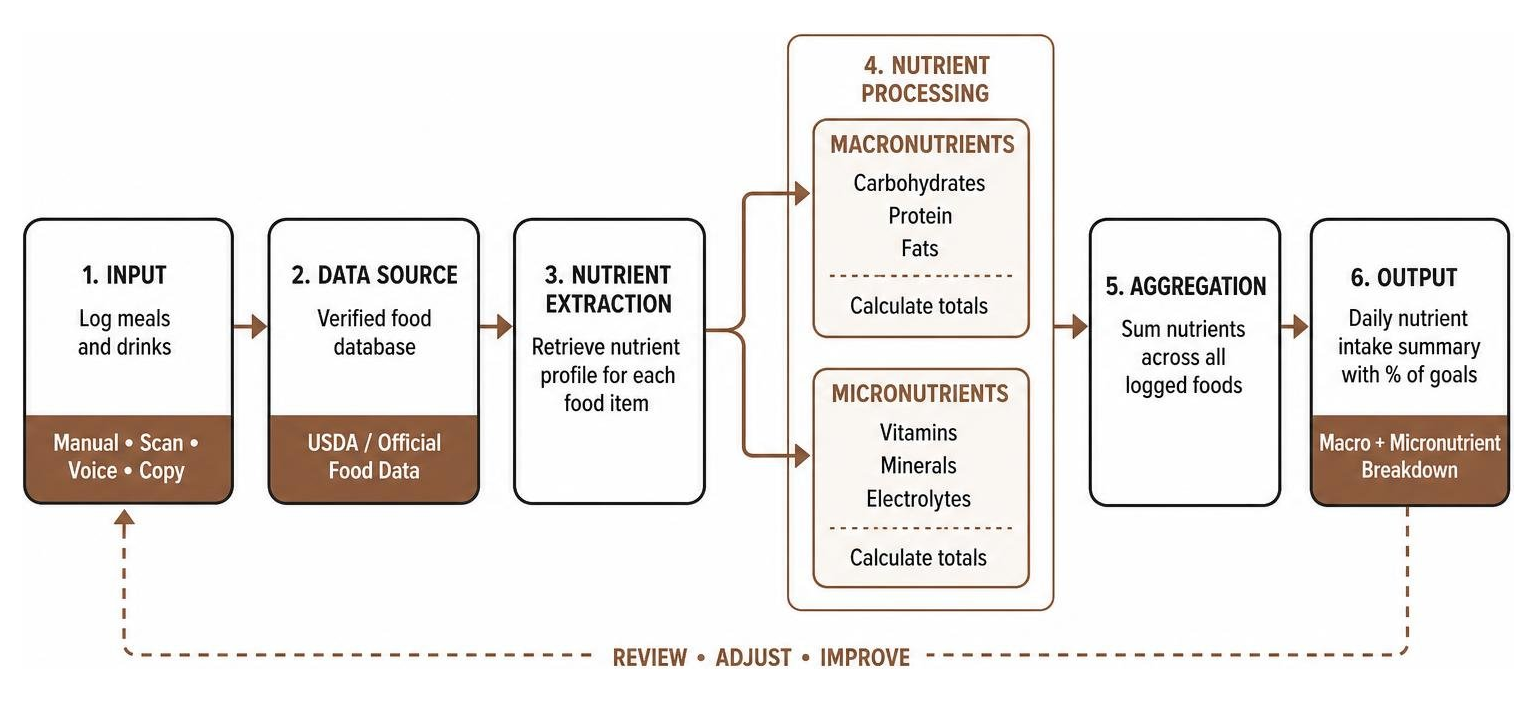
Accuracy is the biggest hurdle in free nutrition tracking. Many popular calorie apps rely heavily on crowdsourced, user-generated databases. While this yields millions of searchable foods, users often skip filling in vitamin and mineral lines when submitting custom entries. As a result, logging a crowdsourced banana might log your calories accurately while registering zero potassium or Vitamin B6.
To avoid false deficiency alerts, look for apps that source food data directly from validated standard databases, such as the USDA National Nutrient Database or official national food tables. Verified data guarantees that when you log whole foods, every trace mineral and vitamin is calculated correctly.
However, operating on a free tier comes with predictable trade-offs:
- Ad Placement: Free versions often show banner ads or pop-up upgrade prompts.
- Daily Scan Limits: Some platforms limit barcode scans or photo-logging submissions unless you pay a monthly fee (which typically ranges from $5 to $25 per month in 2026).
- Basic Reporting Windows: Free accounts may restrict long-term trend viewing to 7-day or 30-day snapshots rather than multi-month analytics.
Despite these limitations, using a reliable free tool alongside a precise Best App for Measuring Calories provides substantial health intelligence without annual subscription fees.
Free vs. Paid Micronutrient Trackers: What You Get Without Subscribing
Upgrading to premium nutrition apps or advanced platforms often unlocks features like long-term historical trends, custom biometrics, exportable medical reports, and symptom mapping. For instance, advanced nutrition tracking platforms can analyze over 125 nutrients per meal—including bioactive compounds, medicinal food properties, and fatty acid profiles—while screening for banned additives or regional water quality risks.
However, if your primary goal is avoiding deficiencies and keeping daily records clean, free tiers provide plenty of utility. Here is how free options compare against paid nutrition tracking tiers in 2026:
| Feature / Capability | Free Micronutrient Trackers | Paid / Premium Micronutrient Apps |
|---|---|---|
| Nutrients Tracked | 15 to 84+ (varies by app depth) | 84 to 125+ (includes bioactives & fatty acid profiles) |
| Database Verification | Mixed (USDA verified vs. crowdsourced) | Highly verified with lab-analyzed entries |
| Barcode Scanning | Supported (sometimes capped daily) | Unlimited barcode & AI photo recognition |
| Symptom Mapping | Manual logging or basic note taking | Automated mapping of 70+ symptoms to deficiencies |
| Custom Metrics & Offline Privacy | Varies (often requires account/cloud) | Cloud syncing, wearable integrations, advanced export |
| Pricing | $0 / month | $5.00 – $25.00 / month ($35 – $200 lifetime) |
If you only need to audit your weekly vitamin targets, paying for a premium subscription is rarely necessary. Free tools provide all the raw data required to balance your plate.
Specialized Tracking: Additives, Water Quality, and Athletic Performance

Nutritional demands change dramatically when you step outside sedentary routines. For cyclists, runners, and triathletes, micronutrient tracking extends beyond basic wellness—it becomes a direct performance lever.
During long endurance workouts, dynamic sweat rates deplete sodium and potassium rapidly. Left unreplenished, this mineral imbalance causes painful muscle cramping, elevated heart rates, and premature exhaustion. Tracking your fluid intake alongside exact sodium milligrams ensures you match your electrolyte replenishment directly to your sweat losses.
Beyond performance fueling, modern nutrition conscious users also look closely at food quality:
- Banned Additives & Preservatives: Many packaged products contain ingredients restricted in other regions, such as Red 40, BHT, or titanium dioxide. Premium nutrition intelligence engines flag hundreds of food additives and Nova processing scores to keep diet quality high.
- Water Contaminant Auditing: Tap water quality varies widely by zip code and housing infrastructure. Some specialized platforms now cross-reference municipal water reports and bottled water brands for lead, fluoride, or industrial chemical levels.
For those who want to log physical performance, sweat notes, and body metrics without sending sensitive biometric data to external servers, using flexible tools to Track Anything allows you to log custom health metrics privately on your own terms. Pair this with a dedicated Macronutrients Tracker App strategy to keep both energy and recovery optimized.
Frequently Asked Questions About Micronutrient Tracking
Can a free micronutrient app identify nutrient deficiencies?
A free micronutrient tracking app cannot provide a clinical medical diagnosis or replace bloodwork from a physician. However, free apps excel at identifying dietary trends and potential nutrient gaps over time.
By logging your meals consistently for 2 to 4 weeks, you can cross-reference your average intake against Recommended Dietary Allowances (RDAs). If the app consistently shows that your iron, magnesium, or B12 intake falls below 50% of your daily target, you can bring those daily logs directly to your healthcare provider to guide targeted blood testing.
How do free apps track electrolytes for endurance athletes and cyclists?
Free micronutrient apps track electrolytes by breaking down food and supplement entries into specific mineral weights—primarily sodium, potassium, calcium, and magnesium measured in milligrams.
Cyclists and endurance athletes can set custom daily electrolyte targets based on workout length, ambient temperature, and sweat rates. When you log your post-ride electrolyte drink, salt chew, or recovery meal, the app updates your remaining allowance in real time, helping you prevent cramping and recover faster between training sessions.
Is it worth paying for a premium nutrition tracking subscription?
Paying for a premium nutrition subscription is worth it if you require advanced clinical features, such as automated meal planning, AI photo meal recognition, deep symptom-to-deficiency mapping, or live consultation features.
However, if your primary goal is auditing your daily food log for essential vitamins and minerals, free options offer exceptional value. Leading free tracking platforms provide access to over 84 tracked nutrients on their standard free plan, making paid upgrades unnecessary for the vast majority of everyday users.
Conclusion: Choosing the Right Micronutrient Tracker for Your Privacy and Goals
Finding the best free app for tracking micronutrients ultimately depends on your personal health priorities, your athletic goals, and how you prefer to handle your personal health data. If you want maximum nutritional depth without paying a subscription, platforms with verified databases deliver the vitamin and mineral visibility you need to eliminate dietary blind spots.
At the same time, nutrition is only one piece of your overall health equation. Tracking energy levels, sleep quality, athletic recovery, and daily digestive patterns gives context to the raw numbers on your plate.
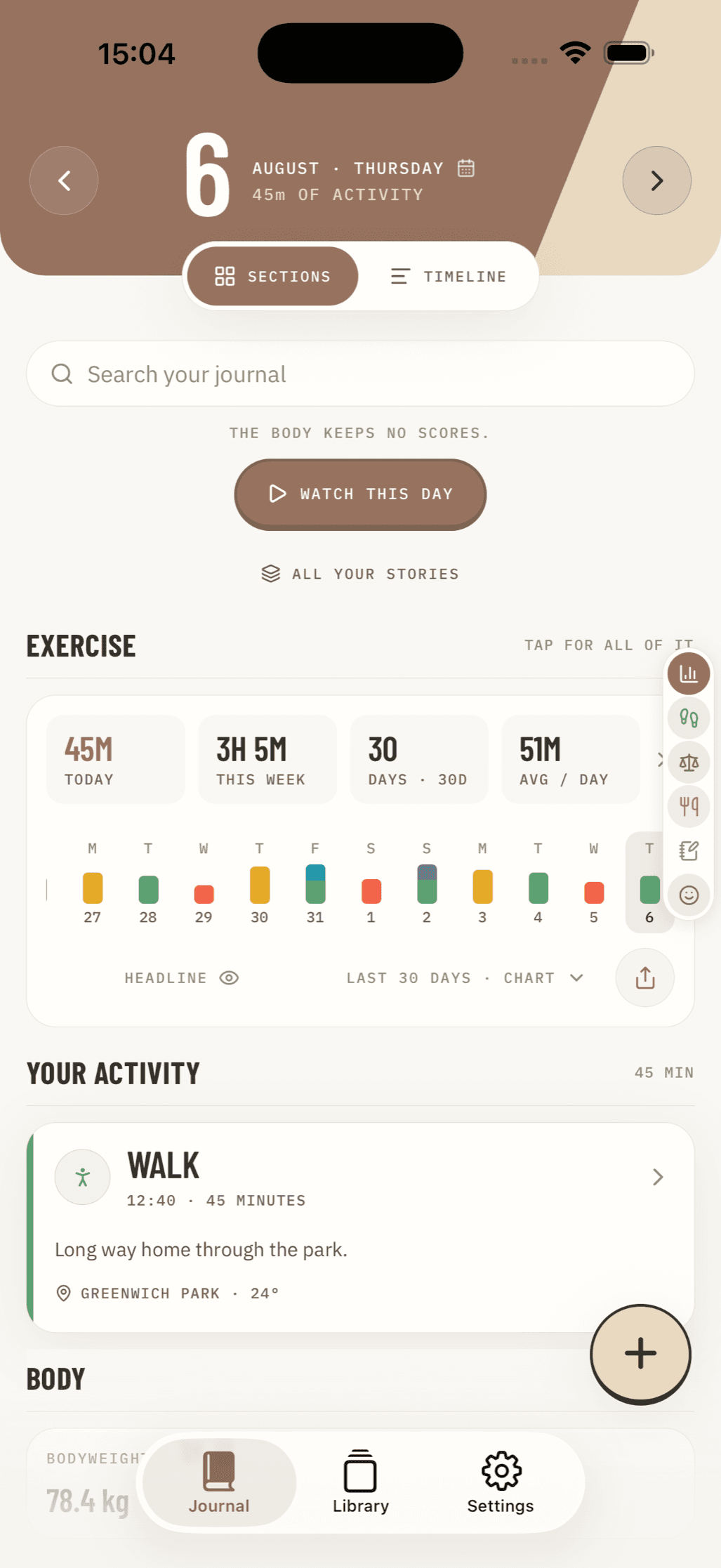
For privacy-conscious individuals who prefer keeping their personal notes, symptom logs, and health metrics stored locally without forced accounts or cloud syncing, Nama offers a fully offline, privacy-first wellness journal on iOS. By combining detailed nutrition auditing with secure local health tracking, you gain complete control over your health data while building habits that support long-term vitality.