How to Track Workout Progress Effectively: 5 Practical Steps
Benefits of Maintaining a Dedicated Exercise Journal
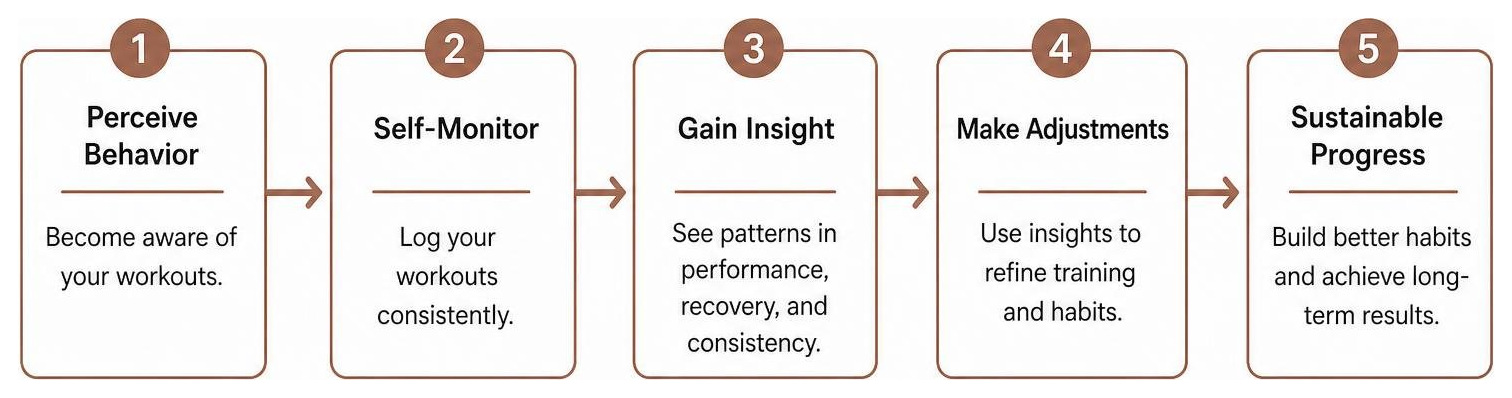
Keeping an exercise journal bridges the gap between your physical efforts and long-term results. Self-monitoring is among the best-evidenced behavior-change techniques available in health psychology. When you log your workouts, you stop relying on post-workout endorphins, which often distort memory and make it hard to recall accurate training details. An objective log provides an honest record of completed work and builds momentum over weeks of training.
Using a dedicated tracker like an exercise log transforms routine exercise into an intentional, sustainable habit. Logging your training builds personal accountability, reduces guesswork when selecting weights or movement durations, and reveals long-term patterns in your recovery, strength gains, and fatigue management.
Cognitive Advantages of Logging Workouts
Recording your daily physical effort offers several distinct cognitive and psychological benefits:
- Enhanced Retention and Learning: Research shows that writing entries by hand or intentionally recording specific data points increases brain connectivity patterns that promote active learning and habit retention.
- Goal Commitment: Writing down your goals and daily physical logs strengthens your psychological commitment to your training routine over extended periods.
- Mental Clarity: Offloading performance data into a structured journal frees up mental energy, allowing you to focus entirely on proper exercise form, breathing, and intensity during workouts.
Exercise Journal vs. Fitness Planner: Key Differences
While people often use the terms interchangeably, an exercise journal and a fitness planner serve complementary functions:
- Fitness Planner: Focuses on forward planning and intention setting. It answers the question, "What do I plan to do this week?"
- Exercise Journal: Focuses on backward tracking and historical receipt. It answers the question, "What did I actually accomplish, and how did it feel?"
Pairing forward-looking planning with backward-looking reflection ensures you set clear training goals while maintaining an accurate, historical record of your true workout volume.
Step 1: Establish Baseline Metrics and Set Up Your Exercise Journal
Before starting your daily workout entries, establish clear baseline measurements. These initial statistics create an authentic reference point to evaluate true physical progress and adaptation over time.
- Baseline Metrics: Take starting body measurements, note your current weight, and record baseline strength or endurance limits (such as maximum push-ups, plank duration, or miles run without stopping).
- Timeframe: Structure your tracking around a defined training block, such as 8 to 12 weeks (or roughly 40 to 65 distinct workouts). This timeframe provides a realistic target window to evaluate meaningful physiological adaptation.
Setting Up Your Exercise Journal for the First Time
Starting your journal takes only a few minutes when structured properly from day one:
- Record Initial Metrics: On page one or in your opening app entry, document your baseline physical numbers alongside your top 3 to 5 specific fitness goals.
- Establish a Schedule: Commit to logging immediately after finishing your workout, or set aside 5 quiet minutes at the end of each training day.
- Use Shorthand Notation: Create quick abbreviations for common movements (e.g.,
DBfor Dumbbell,BBfor Barbell,BWfor Bodyweight) to keep your entries clear, quick, and easy to record.
Step 2: Track Essential Metrics in Every Workout Session
Focus on capturing high-value information rather than trying to record every minor detail. Recording essential training metrics ensures your log stays accurate and useful without becoming overwhelming or tedious.
- Movement Focus: The specific exercises, targeted muscle groups, or movement patterns performed during the session.
- Volume: The completed sets, reps, total weight lifted, or total active duration per movement.
- Subjective Feel: A quick, honest note describing your energy level, perceived effort, or any physical stiffness.
Core Exercise Metrics and Intensity Tracking
To apply progressive overload effectively, track intensity alongside your numerical volume stats. The Rate of Perceived Exertion (RPE) scale, which rates effort from 1 to 10, is an easy, standardized way to track daily physical strain.
| RPE Level | Effort Description | Training Application |
|---|---|---|
| RPE 6–7 | Moderate effort; 3–4 reps left in the tank | Warm-up sets, active recovery days |
| RPE 8 | Hard effort; 2 reps left in the tank | Standard hypertrophy and strength target |
| RPE 9–10 | Maximum effort; 0–1 reps left in the tank | Peak testing sets, heavy low-rep work |
For diverse routines involving weightlifting, yoga, stretching, or cardio, using a flexible tool to track anything custom allows you to log varied metrics side by side effortlessy.
Nutrition, Sleep, and Recovery Factors
Your training quality depends heavily on lifestyle variables outside the gym environment. Tracking recovery variables alongside your daily workouts helps explain unexpected drops or spikes in physical performance:
- Dietary Tracking: Log your meals, daily protein targets, and overall nutritional intake using a dedicated macronutrients tracker app.
- Sleep Quality: Note your nightly sleep duration and subjective quality to spot direct correlations between poor rest and low physical performance.
- Mood and Stress: Record daily stress levels and overall mood using a mood tracker app entry to identify warning signs of overtraining early.
Step 3: Choose the Best Logging Format for Your Needs
Selecting between a physical paper notebook and a digital workout log depends on your personal training environment, convenience preferences, and privacy priorities.
| Feature / Metric | Physical Paper Journal | Digital Exercise Journal |
|---|---|---|
| Ease of Entry in Gym | High (simple write-in pages) | High (fast tapping, pre-set templates) |
| Cognitive Retention | Stronger brain connection via handwriting | Moderate connection through quick input |
| Data Privacy & Backups | High offline security; risk of physical loss | Encrypted local storage; instant text/photo export |
| Durability | Wear from sweat, chalk, and travel | Protected by phone casing and durable screens |
| Custom Metrics & Trends | Manual calculation required | Automatic stats, visual trends, and charts |
Free Printable Templates vs. Customizable Digital Trackers
Printable PDF templates provide structured entry boxes without software setup, making them ideal for initial routine logging. However, fixed paper sheets lack flexibility when routines change or when you want to evaluate long-term trends across multiple months.
For maximum privacy, data ownership, and long-term flexibility, a digital application offers easy local backups and customizable tracking options. Learn more about flexible offline note-taking and customized formatting options in our journal and notes feature guide. Using a adaptable digital logging structure makes it simple to test custom metrics and refine your system as your fitness journey evolves.
Step 4: Update Your Log Regularly and Apply Progressive Overload

Consistency matters far more than perfection when logging daily workouts. An imperfect journal maintained consistently over months reveals valuable long-term trends, while an overly complex log abandoned after two weeks offers little practical value.
To ensure continuous fitness progress and prevent plateaus, apply the core principle of progressive overload. Review your previous session's performance before starting a workout, then aim for small, measurable increases over time:
- Weight: Increase resistance by 2.5 to 5 pounds on an exercise once you consistently hit your upper target rep limit.
- Reps: Perform one additional rep per set using your current working weight.
- Sets: Add an extra working set to increase total weekly volume for target muscle groups.
- Time/Density: Shorten rest periods slightly between sets or extend time-under-tension during reps.
Step 5: Review Weekly Trends to Support Weight Loss and Fitness Goals

A daily log becomes far more valuable when you take time to review weekly patterns. Evaluating your entries regularly allows you to adjust your routine based on real performance data rather than vague memory.
- Activity Baseline: The World Health Organization recommends spreading physical activity across your week, aiming for at least 150 minutes of moderate activity along with two strength training sessions.
- Calorie & Weight Management: If your primary goal is body composition or weight loss, cross-reference your total workout volume with energy balance metrics using a dedicated calorie tracker app.
- Trend Review: Use your weekly check-ins to monitor strength gains, identify persistent fatigue patterns, and spot training imbalances before they lead to joint strain or injury.
Frequently Asked Questions About Workout Tracking
Can keeping a workout journal help with weight loss?
Yes. Keeping an exercise journal provides strong behavioral accountability by keeping an accurate record of your daily physical movement and exercise output. Pairing exercise logs with food and energy tracking creates total visibility into your energy balance, helping you refine nutrition and workout habits for steady weight loss.
How often should I update my workout journal?
Update your log immediately during or right after every exercise session. Completing entries immediately after your workout captures exact numbers for weight, reps, and RPE before endorphins and elapsed time distort your memory of performance.
Are free printable fitness templates good for beginners?
Free printable logs offer a clean, zero-cost framework for beginners. They teach essential logging habits without digital distractions. However, as your training evolves, switching to a private digital log lets you track custom health metrics and evaluate long-term trends much more easily.
Conclusion
Tracking your workout progress does not require complex software or hours of administrative effort. By establishing clear baseline metrics, tracking key session numbers, choosing a flexible log format, and reviewing weekly trends, your exercise journal becomes a powerful guide for long-term health and athletic progress.
If you are looking for a complete, privacy-first way to log your daily workouts, nutrition, and recovery metrics, explore how Nama operates locally on your device with no cloud accounts required. Check out our exercise log feature to start building a workout journal tailored perfectly to your physical goals.