Food Log Ideas: What to Write When You Do Not Want to Count Calories
Creative Food Journal Ideas Focused on Mindful Eating and Well-Being
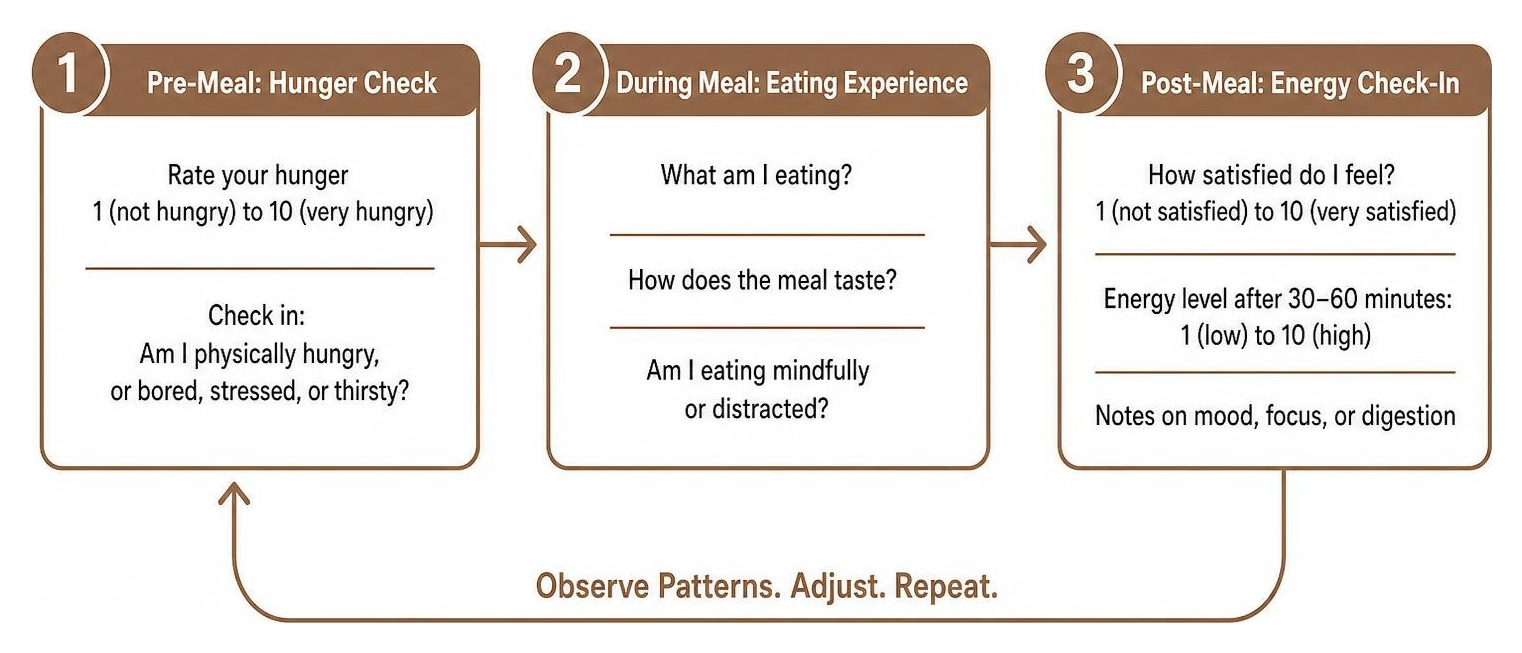
When we shift our focus away from strict numbers, food journaling becomes a powerful practice of self-discovery and intuitive eating. Traditional tracking often reduces food to mere equations, ignoring how meals affect our energy, focus, and overall mood. By adopting food journal ideas centered on physical reactions and bio-individuality, we learn to tune into our body's unique signals. Research shows that keeping a log helps us transform habits and behaviors, but those changes stick best when grounded in mindfulness rather than restriction.
One of the most transformative ways to format your journal is through a pre- and post-meal reflection spread. Before eating, check in with yourself using a simple 1-to-10 hunger scale. Ask: Am I physically hungry, or am I bored, stressed, or thirsty? After finishing, pause to write down how satisfied you feel and what your energy levels look like 30 to 60 minutes later. Over time, you will notice distinct patterns—perhaps a protein-heavy breakfast keeps you sharp until noon, while a sugary midday snack leads to a 3 PM slump.
Logging your daily emotional state alongside your meals reveals the deep mood-food connection. Did a cozy bowl of soup on a rainy afternoon bring a sense of comfort? Did eating in a rush between meetings lead to indigestion? Using a dedicated Food Diary helps capture these non-caloric health metrics in a low-friction layout, allowing you to build sustainable, health-promoting habits without the weight of numerical guilt.
Food Journal Ideas for Tracking Symptoms and Allergies
If you suffer from mysterious digestive issues, sudden skin breakouts, or mid-afternoon brain fog, an elimination or symptom log is invaluable. Everyone's bio-individuality means that what acts as a superfood for one person might trigger inflammation in another. Instead of making broad assumptions about your diet, use your journal as a personal scientific lab.
Structure your daily log with clear, functional columns:
- Time & Meal: Record what you ate and when.
- Immediate Reaction: Note any immediate physical sensations, such as bloating, hyper-acuity, or reflux.
- Delayed Symptoms: Check back in 2 to 4 hours later to record energy drops, headaches, or skin flare-ups.
- Lifestyle Context: Track sleep quality, hydration, and stress levels, as these heavily influence digestion.
By keeping an objective, detailed log over several weeks, you will gather actionable data to share with a dietitian or doctor, making it far easier to isolate dietary triggers without unnecessarily restricting whole food groups.
Plant Diversity and Meal Addition Trackers
Rather than focusing on what to subtract or eliminate from your plate, use your food journal to embrace a mindset of abundance through plant diversity tracking. Eating a wide array of plant foods—including vegetables, fruits, whole grains, nuts, seeds, legumes, and herbs—feeds a healthy gut microbiome, increases satiety, and provides a rich spectrum of micro-nutrients.
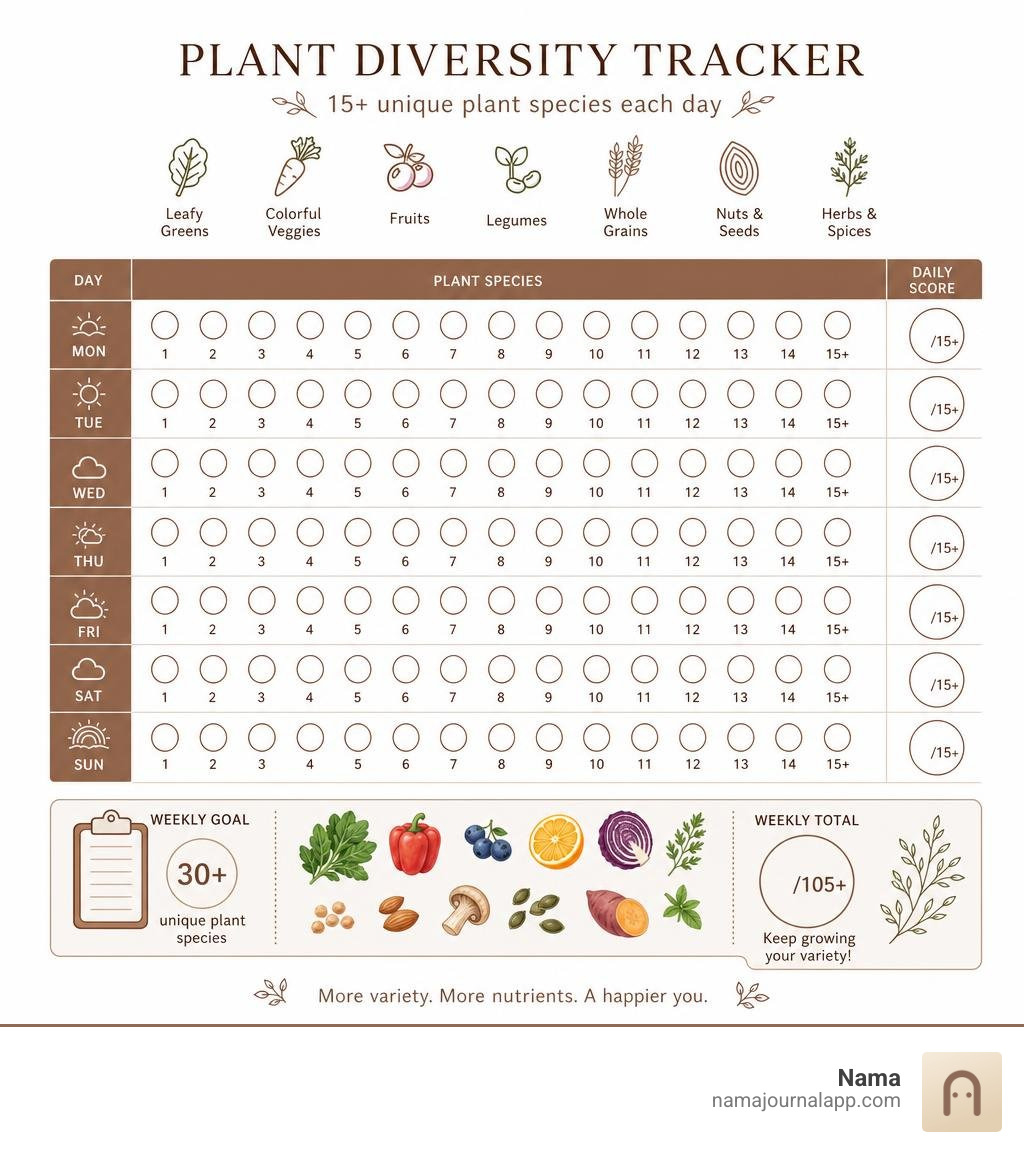
A fun, highly motivating page layout is the "15-a-Day" or "30-a-Week" plant challenge. Draw a simple grid or a series of empty checkboxes on your weekly spread. Every time you eat a unique plant species, write it down and check it off. A single rich dinner salad featuring mixed greens, four colors of bell peppers, carrots, red onion, pumpkin seeds, and a olive-oil-and-lemon dressing can effortlessly net you over ten distinct plants in one sitting. For more inspiration on building sustainable habits, explore these Top 8 Food Journal Ideas to Finally Make It Stick.
Culinary and Meal Prep Ideas to Save Money and Reduce Food Waste
Food journaling is not just a personal health practice—it is an exceptional tool for household management, kitchen efficiency, and financial control. Studies indicate that individuals who plan their meals consistently eat more nutritious foods and maintain healthier lifestyles than those who do not. Unplanned grocery trips often lead to impulse buying, forgotten produce rotting in crisper drawers, and excessive spending on last-minute takeout.

By integrating weekly meal prep spreads into your journal, you streamline your grocery list around overlapping ingredients. If a recipe calls for half a bunch of cilantro or half an onion, intentionally select a second dish that utilizes the remaining portions. This thoughtful overlap cuts food waste drastically while stretching your grocery budget further.
Seasonal Menu Spreads and Ingredient Swaps
Designing a seasonal menu spread prevents kitchen decision fatigue. A simple 6-week seasonal rotation strikes the perfect balance between variety and ease. Instead of coming up with seven fresh dinner recipes every single week, curate six weeks worth of seasonal favorites and cycle through them twice during autumn or winter.
Set up your seasonal spread with four core components:
- Seasonal Produce Wishlist: List peak-season fruits and vegetables (such as winter squash, root vegetables, or crisp apples).
- The 6-Week Menu Schedule: Grid out six weekly dinner plans utilizing those seasonal staples.
- Smart Ingredient Substitutions: Keep a side log of easy swaps based on sales or dietary needs (e.g., swapping kale for spinach, or roasted butternut squash for sweet potatoes).
- Master Grocery List: Group ingredients by supermarket aisle to make trips fast and focused.
For a detailed walkthrough on setting up a cozy autumn rotation, check out this guide to a Fall Meal Planning Spread: 6 Weeks of Warm, Healthy Meals in Your Journal.
Leftover Reinvention and Kitchen Fail Logs
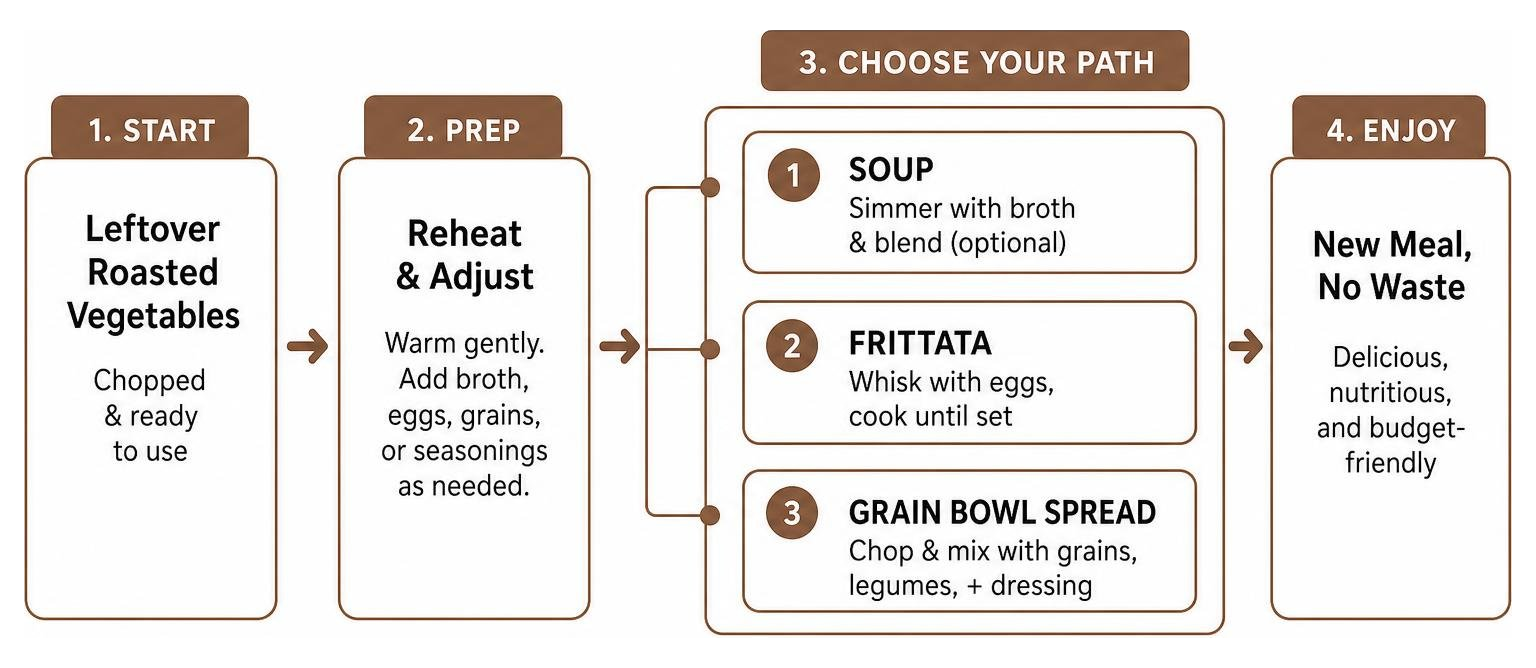
One of the most creative ways to expand your culinary confidence is by dedicating space in your journal to leftover transformations and kitchen experiments. Reheating yesterday's dinner can feel uninspiring, but viewing leftovers as raw ingredients for a brand-new meal changes everything. Use a page in your journal to brainstorm ideas: turn leftover roasted chicken into Friday night tacos, or transform extra grilled vegetables into a Sunday morning frittata.
Equally valuable is the "Kitchen Fail Log." We all burn garlic, over-salt soup, or under-bake squash from time to time. Most people throw away bad meals and forget about them, only to repeat the same mistakes months later. Documenting your kitchen blunders—noting exact temperatures, cook times, and equipment used—turns culinary mishaps into priceless educational data.
Monthly Spreads and Seasonal Themes for Year-Round Engagement
The biggest threat to successful journaling is routine monotony. Starting strong in January only to abandon your notebook by mid-February is a widespread experience. To keep your food log engaging throughout the entire year, introduce fresh monthly themes focused on culinary growth and seasonal transitions. Discover structured inspiration with these Monthly Food Journaling Ideas That Actually Stick – Tasty Refreshing.
| Month | Theme | Focus & Journal Activity |
|---|---|---|
| January | Pantry Audit | Catalog forgotten grains, cans, and freezer items; build meals around them. |
| February | The Fail Log | Document cooking mistakes, exact temperatures, and lessons learned. |
| March | Seasonal Ingredient Tracker | Pick one new spring vegetable per week and cook it three different ways. |
| April | Flavor Memory Book | Write down vivid details of unforgettable meals and attempt to recreate them. |
| May | Technique Challenge | Practice a complex skill (like emulsion or bread making) over multiple attempts. |
| June | Mood-Meal Connection | Track immediate post-meal energy and focus to spot summer fatigue triggers. |
| July | Farmers Market Challenge | Buy an unfamiliar ingredient weekly and experiment with raw vs. cooked preps. |
| August | Leftover Reinvention | Focus on turning evening leftovers into creative lunch spreads. |
| September | Spice Shelf Reset | Clear out old spices, test fresh blends, and log ideal pairings. |
| October | Comfort Food Reimagining | Craft nutrient-dense versions of classic cozy autumn meals. |
| November | Holiday Trial Run | Test and refine complex holiday recipes weeks ahead of time. |
| December | Year in Review | Reflect on your top 10 best meals, culinary wins, and habit progress. |
Creative Monthly Food Journal Ideas for Culinary Growth
Focusing on targeted monthly challenges keeps your entries fresh, fun, and educational. In January, a thorough pantry audit inventory prevents duplicate purchases and forces you to use forgotten ingredients like dried beans or specialty grains. Write down five pantry staples hiding in the back of your cupboards and commit to creating one dinner spread around each.
In September, conduct a spice shelf reset. Spices lose their potency after a year or two, dulling your meals. Take inventory, toss dusty jars, and experiment with new spice rubs. Log your custom seasoning blends in your journal so you can easily recreate a successful steak rub or vegetable seasoning mix next season.
Recipe Scrapbooking and Social Cooking Spreads
A food journal can double as a prized creative keepsake when formatted as a recipe scrapbook. Paste in hand-written family recipe cards, print small photos of memorable birthday dinners, or glue down glossy packaging and labels from specialty chocolate bars or imported wines enjoyed with friends.
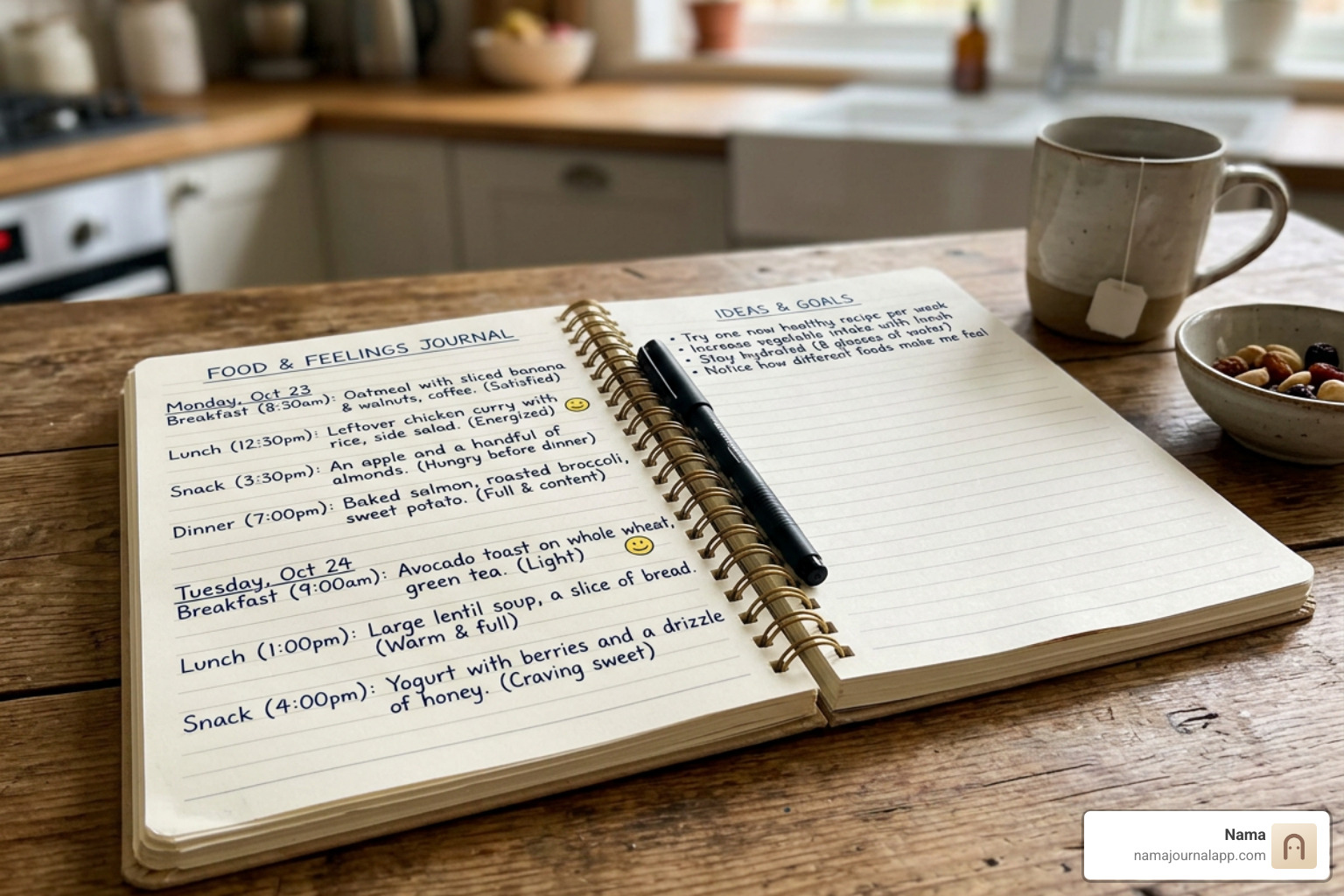
You can also use your journal spreads to coordinate social culinary activities. Plan a virtual cooking date night with long-distance family or friends:
- Choose a single, exciting recipe together.
- Distribute a shared ingredient list and preparation layout in advance.
- Log your individual cooking process, modifications, photo results, and tasting notes side by side.
How to Structure Your Food Journal: Bullet Spreads vs. Private Digital Apps
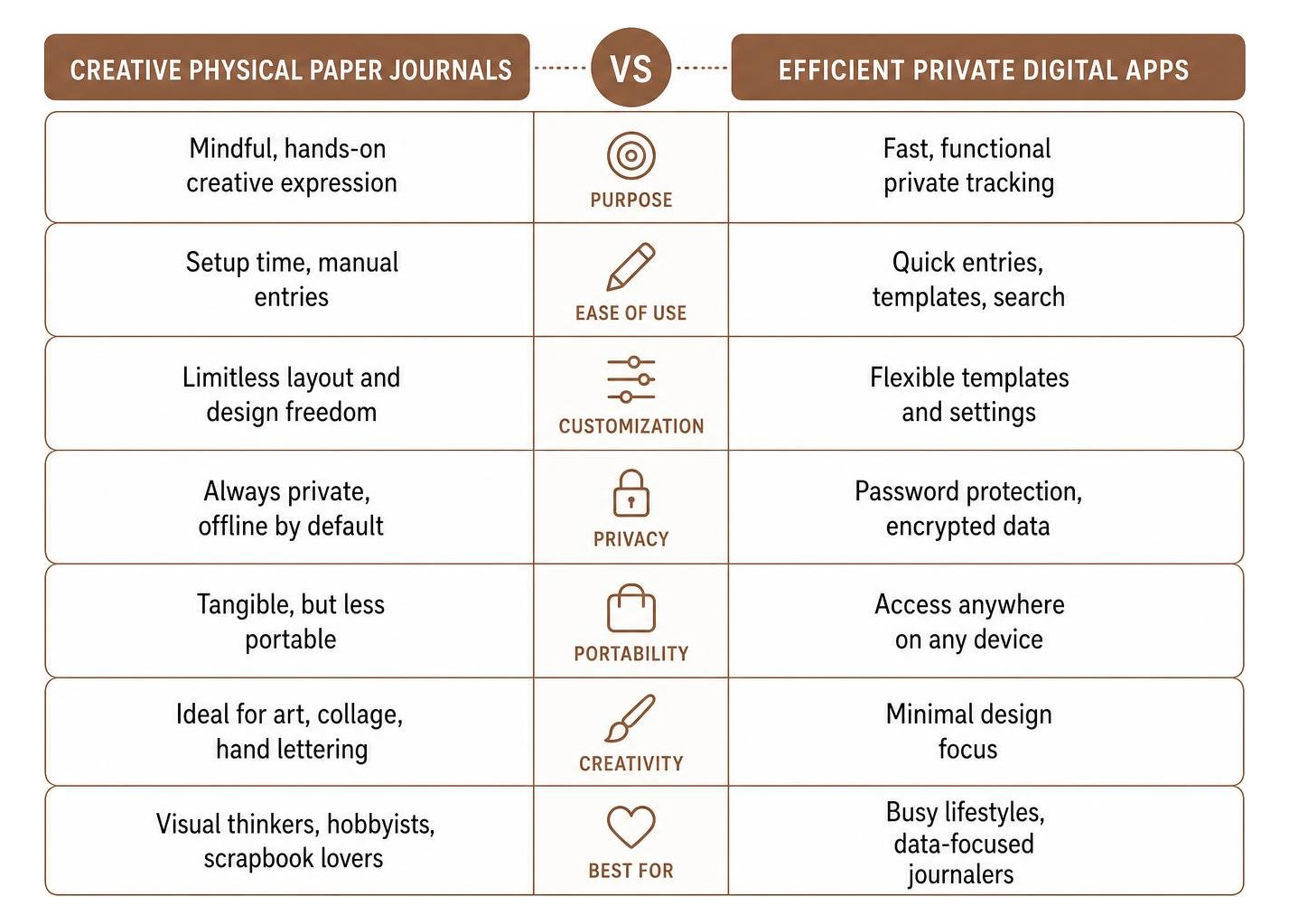
When deciding how to log your food, finding a format that seamlessly matches your lifestyle is key. Both physical paper layouts and modern digital apps offer distinct advantages depending on whether you crave artistic expression or rapid, private functionality.
Paper Spreads and Aesthetic Bullet Journal Layouts
For those who view journaling as a meditative, offline creative outlet, dot-grid notebooks offer endless flexibility. Bullet journaling allows you to build custom weekly spreads featuring colorful headers, watercolor banners, hand-drawn food icons, and habit trackers. To explore aesthetic layouts, check out these 31 Creative Food Tracker Bullet Journal Ideas.
Popular physical elements include:
- Minimalist Grids: Clean lines dividing days into simple breakfast, lunch, dinner, and snack columns.
- Custom Glossy Tabs: Homemade or store-bought section tabs for quick navigation between weekly logs, recipe indexes, and symptom pages.
- Color-Coded Highlights: Using pastel brush pens to instantly highlight home-cooked meals, takeaway spending, or specific food groups.
Digital Offline Logging for Private Daily Reflection
While artistic paper journals are beautiful, maintaining them requires time, pens, rulers, and physical space. If you prefer a fast, clutter-free method that easily fits into a busy lifestyle, a private digital logging approach is ideal.
Using an application like Nama allows you to Track Anything locally on your iPhone. Unlike standard health apps, Nama is built around an offline, privacy-first design with no accounts or cloud tracking. You can rapidly log meals, take quick dish photos, note digestive symptoms, and reflect on daily wellness metrics without worrying about targeted ads or public feeds. Having full export capabilities ensures your local personal health history remains completely under your control.
Common Food Journaling Mistakes and How to Overcome Them
Starting a food journal with high expectations often leads to tracking burnout if the process becomes rigid or overly demanding. Understanding common pitfalls helps you create a resilient, long-term habit.

The Three-Entry Rule and Avoiding Tracking Burnout
The single most common mistake beginners make is demanding daily perfection. Trying to write down every single bite, sip, thought, and reaction 30 days a month quickly causes fatigue. When journaling feels like a demanding chore, most people quit altogether.
To prevent burnout, implement the Three-Entry Rule. Instead of committing to daily exhaustive logs, commit to completing just three detailed, honest entries per weekly prompt or monthly theme. Whether you are tracking energy levels, testing leftover reinventions, or logging plant species, writing three high-quality entries per week provides plenty of actionable data without overwhelming your schedule.
Reframing 'Bad' Food Days Into Useful Data
Another major roadblock is guilt-driven tracking. Many people drop their food journals after a weekend of heavy eating, feeling ashamed to record meals that fall outside their ideal routine.
It is vital to view your journal as a non-judgmental, curious observer. There are no "bad" days—only informative data. If you overate at a party or experienced intense cravings, record the environmental and emotional context without self-criticism:
- Where were you eating?
- Who were you with?
- How long had it been since your last meal?
- Were you feeling anxious, tired, or overwhelmed?
Recognizing that long gaps between meals or intense work stress trigger evening overeating empowers you to adjust your routine proactively. For practical advice on building sustainable habits, read The Weight Loss Journals and Apps I Actually Use Every Day - The Red Phoenix.
Frequently Asked Questions About Food Journaling
What should I write in a food journal if I do not want to track calories?
You can track a wide variety of non-caloric metrics, including:
- Pre- and post-meal hunger scale ratings (1-10).
- Physical symptoms (bloating, headaches, heartburn, digestion speed).
- Energy levels, mental clarity, and focus at 30-minute and 2-hour post-meal marks.
- Mood and emotional triggers before eating.
- Daily plant diversity counts and new ingredients tried.
- Meal prep notes, recipe modifications, and cooking times.
How can keeping a food journal help reduce food waste and save money?
A food journal acts as an organizational hub for your kitchen. By using it to conduct weekly pantry audits, design meal plans around overlapping ingredients, and track leftovers, you ensure fresh food gets eaten before spoiling. Additionally, logging takeaway expenses creates clear visibility into dining-out habits, encouraging cost-effective home cooking.
What is the most effective way to start a food journal without quitting?
Start small and maintain a forgiving mindset. Choose a single non-caloric metric to track during your first two weeks—such as rating post-lunch energy or counting daily plants. Use simple formats, apply the Three-Entry Rule rather than demanding daily perfection, and pick a accessible tool (like a basic notebook or a fast offline app like Nama) that fits smoothly into your daily routine.
Conclusion: Finding the Food Log Method That Works for You
At its core, food journaling should be an empowering practice that brings clarity, joy, and efficiency into your life. Whether you want to uncover hidden food sensitivities, sharpen your culinary skills, lower your grocery bills, or build a peaceful relationship with food, shifting away from calorie counting opens up a world of creative possibilities.
Experiment with different methods until you find the rhythm that feels right for you. If you enjoy hands-on crafting, embrace aesthetic bullet journal spreads and scrapbooks. If you prefer a fast, secure, and private way to log meals, photos, and health metrics on the go, explore our privacy-focused Food Diary in the Nama iOS app.
When you approach your meals with curiosity instead of judgment, every entry brings you one step closer to understanding and nourishing your body.