Count Your Macros Like a Pro with the Best App to Track Macronutrients
Find the Best Macronutrients Tracker App for Your Goals

A macronutrients tracker app helps you log carbohydrates, protein, and fat so you can see how your meals support goals such as weight loss, muscle gain, or steadier energy.
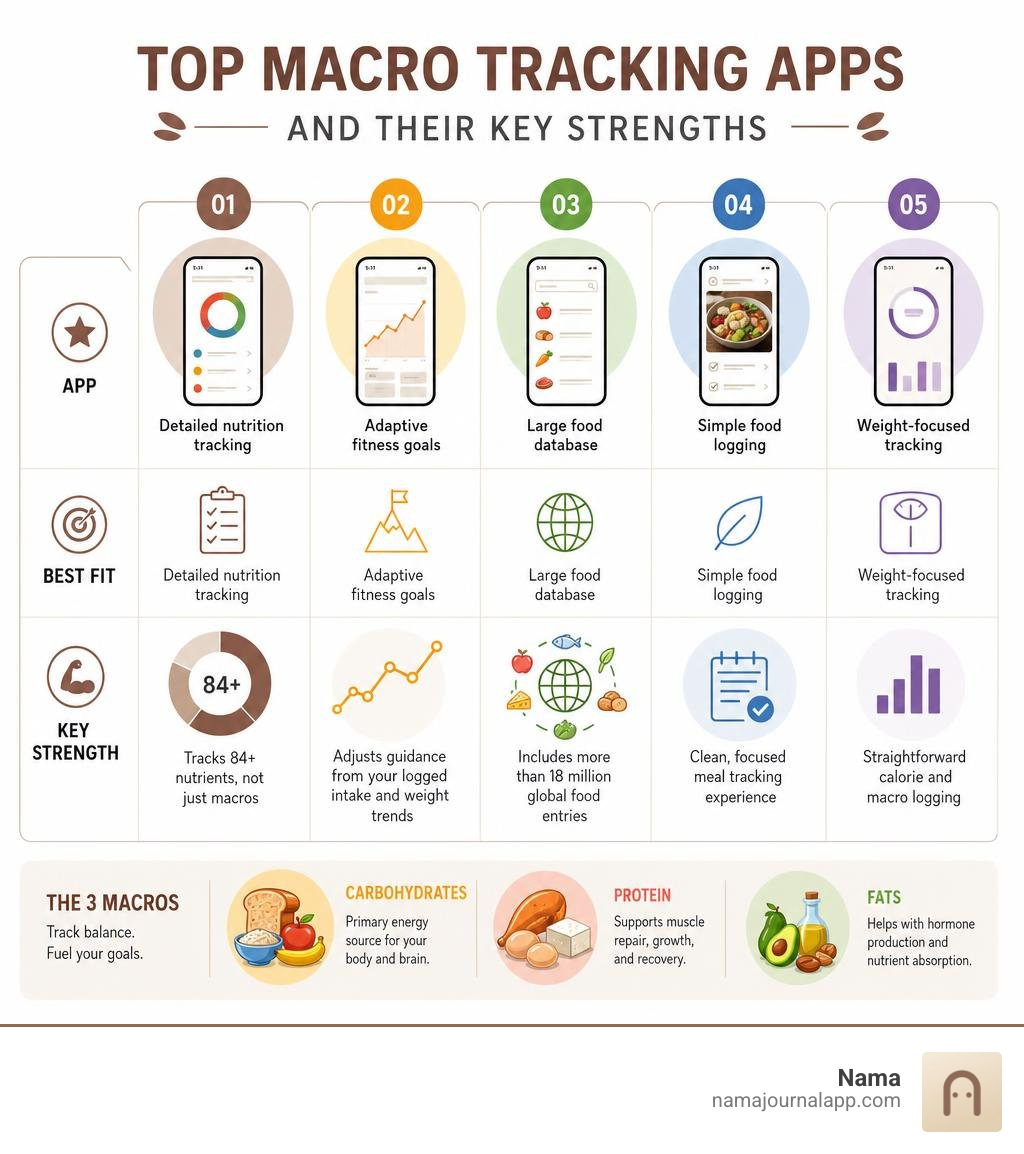
For a quick answer, these are standard app types to compare:
| App Category | Best fit | Key strength |
|---|---|---|
| Detailed Nutrition Trackers | In-depth nutrient analysis | Tracks 80+ vitamins and minerals alongside macros |
| Adaptive Fitness Trackers | Dynamic caloric goals | Adjusts guidance from logged intake and weight trends |
| Large Database Trackers | Diverse food options | Includes extensive global food entries |
| Minimalist Food Logs | Simple meal tracking | Clean, focused meal tracking experience |
| Weight-Focused Trackers | Straightforward logging | Simple calorie and macro target setting |
The best choice is not always the app with the biggest database or most charts. For many people, the right tool is the one they will use consistently - and one that fits their comfort level with ads, subscriptions, data sharing, and cloud storage.
Macro logging can make patterns easier to spot. For example, it may show that a light lunch leads to an extra-fast-food stop later in the day. But numbers are only part of the picture. A useful tracker should support awareness, not make food feel like a full-time job.
Understanding Macros and Why You Need a Macronutrients Tracker App
Before diving into features, let's cover what macronutrients actually are. "Macros" is short for macronutrients—the three primary nutrient categories that provide our bodies with caloric energy: carbohydrates, proteins, and dietary fats.
- Carbohydrates (4 calories per gram): Our body's primary fuel source. The USDA guidelines suggest aiming for at least 50% of your daily carbohydrates to come from whole grain sources.
- Proteins (4 calories per gram): Essential for tissue repair, immune function, muscle growth, and metabolic processes.
- Dietary Fats (9 calories per gram): Crucial for hormone production, brain function, cell structure, and absorbing fat-soluble vitamins (A, D, E, and K).
Maintaining energy balance isn't just about counting calories; it's about balancing these three building blocks to fit your lifestyle. According to Scientific research on macronutrients, managing the ratio of macros you eat helps stabilize blood sugar, preserve lean muscle, and sustain steady energy levels throughout the day. A simple visual tool like the USDA MyPlate guide suggests filling 50% of your plate with fruits and vegetables, 25% with lean protein, and 25% with complex carbohydrates.

Using a macronutrients tracker app removes the guesswork. Instead of estimating how many grams of protein were in that chicken breast, a digital tracker gives you instant feedback, helping you make informed decisions about your daily fuel.
Who Should Use an App for Tracking Daily Macros
Not everyone needs to track their food down to the exact gram, but specific groups can benefit significantly:
- Fitness Enthusiasts & Lifters: Anyone focused on muscle building needs adequate protein (often between 0.7 to 1.0 grams per pound of body weight) to maximize muscle protein synthesis.
- Individuals Pursuing Targeted Weight Management: Whether you want to lose body fat or gain weight healthily, macro tracking ensures you are in an appropriate energy deficit or surplus while preserving muscle mass.
- People Managing Specific Health Conditions: Individuals with type 2 diabetes or insulin resistance often need to monitor carbohydrate loads, while those recovering from gallbladder issues may need to moderate dietary fat intake.
- Those Navigating Strict Dietary Restrictions: Vegans, vegetarians, or those on low-sodium protocols can use tracking to ensure they aren't missing out on essential amino acids or key nutrients.
Key Benefits and Drawbacks of Macro Logging
Like any tool, macro tracking comes with clear advantages and potential pitfalls.
The Benefits:
- Habit and Portion Awareness: Most of us underestimate how much fat or carbohydrate we consume until we log it.
- Nutritional Accountability: Logging creates a clear picture of your actual intake versus your perceived intake.
- Revealing Behavioral Patterns: A log might show that under-packing lunch leads directly to buying fast food on the drive home due to extreme late-afternoon hunger.
The Drawbacks:
- Risk of Food Preoccupation: Obsessing over exact numbers can make dining out stressful or trigger anxiety around unlogged ingredients.
- Potential Meal Monotony: To simplify logging, people sometimes fall into the trap of eating the exact same three meals every day, reducing dietary variety.
What Features Make the Best Macronutrients Tracker App?
When picking a macronutrients tracker app, the sheer number of choices can feel overwhelming. To narrow it down, focus on four key evaluation criteria:
- Database Accuracy: A database full of user-generated errors can render your tracking meaningless.
- Ease of Input: Barcode scanners, voice entry, and quick meal templates save precious minutes every day.
- Customizable Targets: Your macro needs change based on activity level, age, and goals; your tracker must adapt accordingly.
- Nutrient Depth: Looking beyond macros to vitamins, minerals, and fiber provides a complete picture of overall dietary quality.
How Free Macronutrients Tracker App Options Compare to Paid Features
Many popular tracking tools use a freemium model. While free tiers provide basic logging, premium subscriptions unlock advanced features, ad-free interfaces, and deeper insights.
| Feature Area | Typical Free Tier | Typical Premium Tier ($5.99–$19.99/mo) |
|---|---|---|
| Food Logging | Manual entry & standard search | Rapid barcode scanner & AI meal photo recognition |
| Nutrient Details | Basic macros (Carbs, Protein, Fat) | 80+ micronutrients, net carbs, fiber breakdown |
| Customization | Standard daily macro goals | Meal-by-meal macro targets & cycle days |
| User Experience | Banner ads & sponsored content | Completely ad-free interface |
| Data Access | Cloud storage required | Offline access & full local data control |
If you are just starting out, testing a free tier helps you build the habit. However, if ads, paywalls, or privacy concerns become annoying, exploring ad-free or privacy-focused tools can offer a much smoother experience.
Evaluating Food Database Accuracy in a Macronutrients Tracker App
Database accuracy varies widely across apps:
- Crowdsourced Databases: Platforms with massive user-generated databases make it easy to find regional foods. However, because users add these entries, duplicate or incorrect nutritional values are common.
- Verified Curated Databases: Platforms that curate entries against official sources like the USDA database allow users to track 84+ nutrients with lab-verified accuracy.
When logging, cross-checking nutritional labels against verified database entries ensures your numbers stay on track.
How to Use Macro Tracking to Achieve Specific Health Goals
Whether your objective is losing body fat, building lean muscle mass, or stabilizing daily energy, tailoring your macro targets makes all the difference.
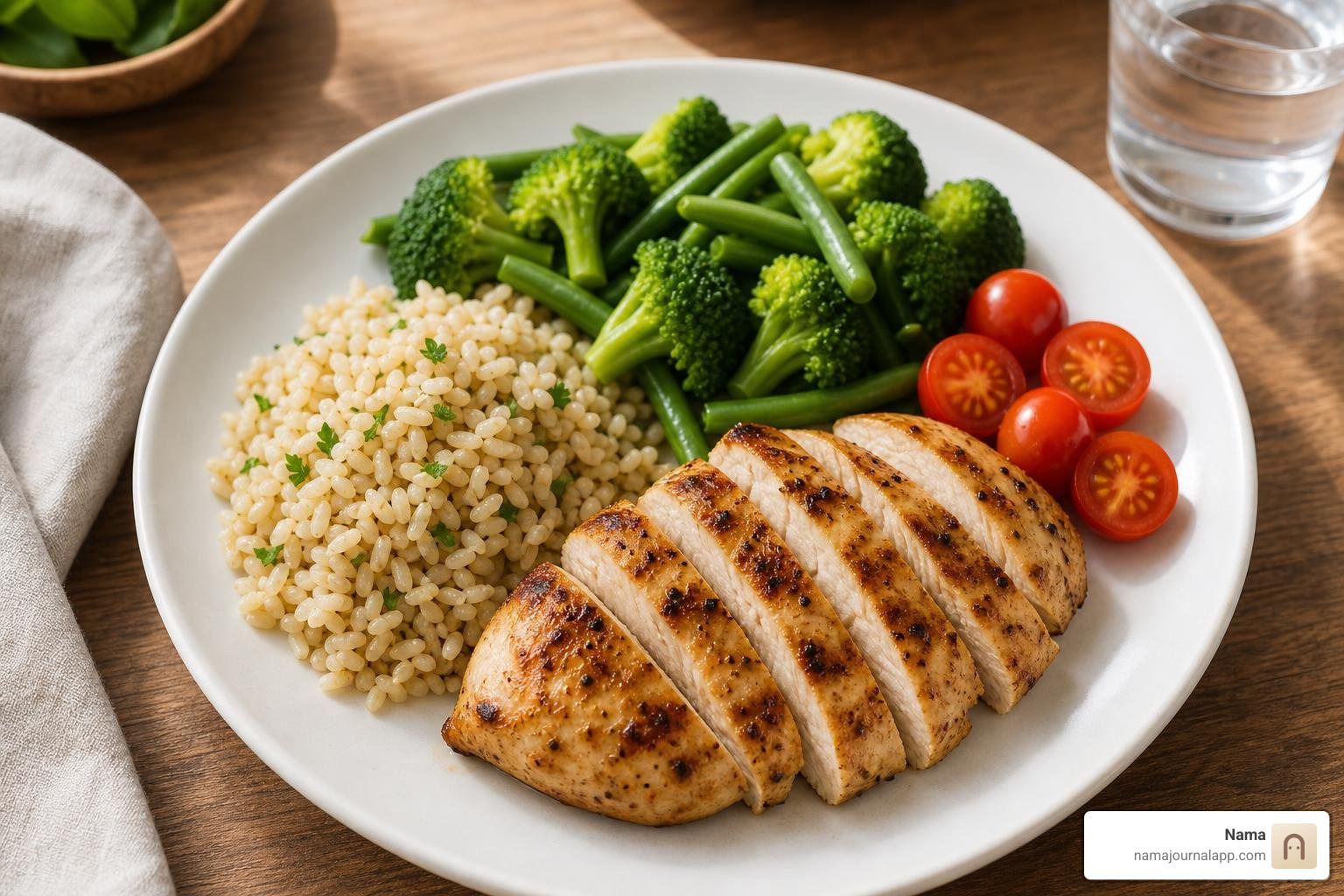
- For Fat Loss: Maintain a moderate caloric deficit while keeping protein elevated to protect lean muscle tissue.
- For Muscle Hypertrophy: Combine progressive resistance training with a small caloric surplus and consistent protein distribution (e.g., 20–40g per meal).
- For Blood Sugar & Metabolic Health: Focus on complex carbohydrates rich in dietary fiber while pairing carbs with protein and fats to blunt glucose spikes.
Using a dedicated Food Diary helps you reflect on how specific macronutrient ratios impact your mood, satiety, and daily performance. Pairing your meal logs with an Exercise Log allows you to see how your workout performance changes based on pre-workout meal timing and carbohydrate intake.
Optimizing Results with Registered Dietitian Guidance
While software tools crunch numbers, a registered dietitian helps you interpret what those numbers actually mean for your health.
Working alongside an RD provides:
- Personalized Target Setting: Calculating macro goals based on lean body mass, clinical lab work, and medical history rather than generic online calculators.
- Dietary Quality Analysis: Ensuring you aren't hitting macro numbers using hyper-processed foods lacking micronutrients.
- Behavioral Strategy: Identifying emotional eating patterns or meal gaps that raw data alone cannot fix.
For more guidance on calculating daily energetic needs, explore our article on the Best App for Measuring Calories.
Frequently Asked Questions About Macro Tracking
What is the most accurate way to track daily macros?
The most accurate method involves using a digital kitchen scale to measure food by weight (grams or ounces) rather than volume (cups or spoons). Measuring raw foods before cooking generally yields the most consistent data, as water weight fluctuates during preparation. To record custom entries or specific personal metrics, you can Track Anything that matters to your health routine.
Can macro tracking help with managing medical conditions?
Yes, under proper medical supervision. For instance, people with diabetes use carbohydrate counting to adjust insulin doses effectively. Individuals recovering from acute gallbladder issues often need to keep fat intake low to avoid digestive distress. However, always consult a healthcare professional or RD before making significant dietary alterations.
How do I transition off macro tracking without losing progress?
Macro tracking should ideally serve as an educational tool rather than a lifelong dependency. As you become familiar with standard portion sizes and meal balance, try transitioning to intuitive eating:
- Practice Visual Estimation: Use your hand as a portion guide (a palm of protein, a fist of veggies, a cupped hand of carbs).
- Log Periodically: Track only 1–2 days a week to audit your intake rather than logging every bite.
- Listen to Internal Hunger Cues: Pay attention to natural fullness and energy levels.
Conclusion
Finding the right macronutrients tracker app comes down to what aligns best with your lifestyle, goals, and personal preferences. While large cloud-based platforms offer extensive databases and social features, many users find that cloud tracking introduces unnecessary complexity, privacy concerns, or subscription fatigue.
If you prefer a clean, private approach to habit tracking, Nama offers an alternative. Nama is a private iOS wellness-journal app that lets you log exercises, meals, notes, and custom health metrics entirely locally on your iPhone. Operating without accounts, advertisements, or cloud storage requirements, Nama puts complete control over your wellness data back in your hands with seamless export capabilities for text and photos.
By keeping track of your food intake through a flexible Journal and Notes system, you can build lasting dietary mindfulness on your own terms.
Start tracking your health with Nama today to cultivate consistent, privacy-first wellness habits.