Carb Your Enthusiasm: Top Apps That Count Calories and Carbs
Find an App That Makes Carb and Calorie Tracking Easier
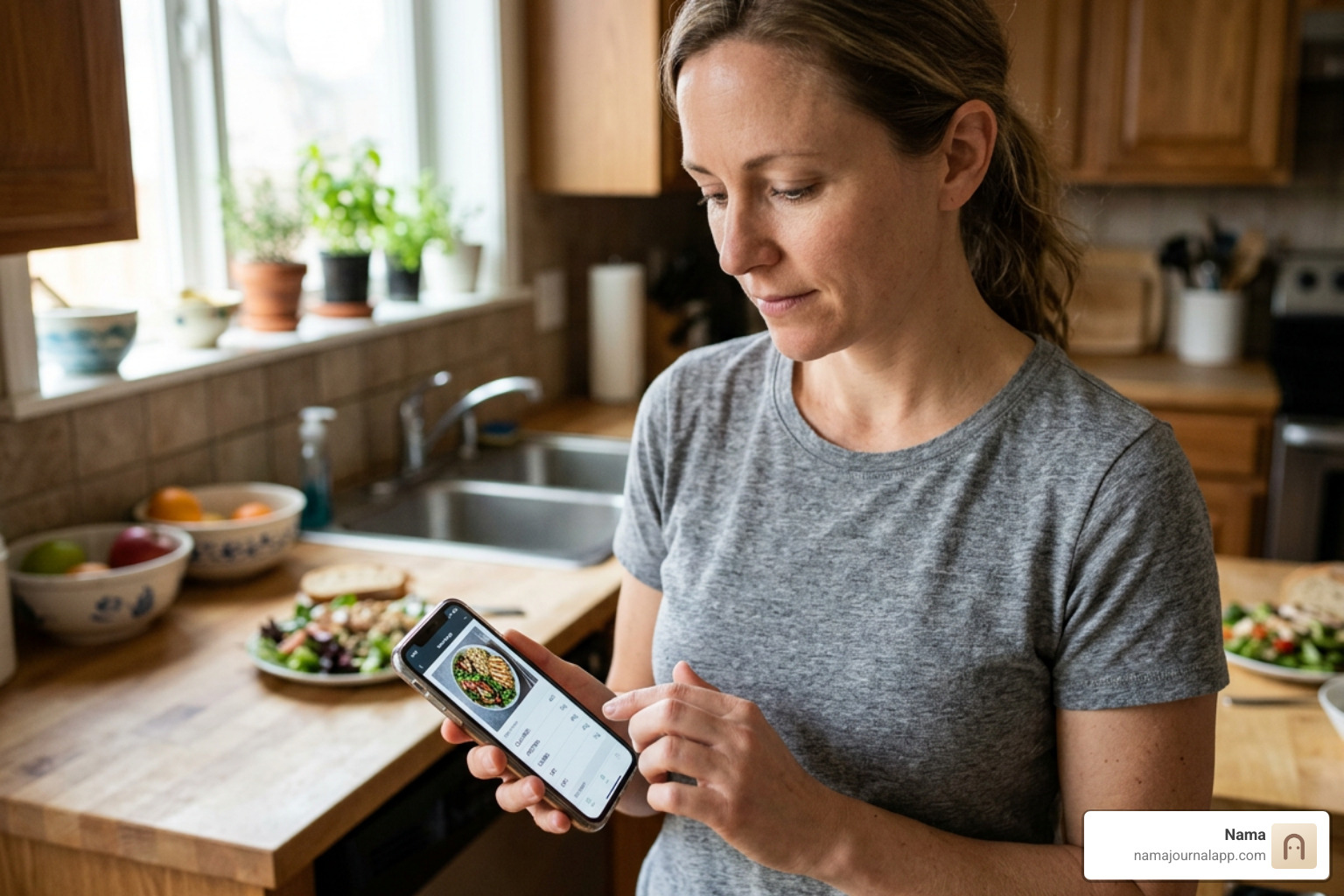
The best apps that count calories and carbs make it quick to log food, see total and net carbs, and spot patterns that matter to your goals. Choose a traditional food-diary app if you want a large searchable database, barcode scanning, recipes, and detailed macros. Choose an AI photo-based app if typing foods and weighing portions feels like too much work.
For diabetes, keto, or low-carb eating, prioritize these features:
- Total carbs, fiber, and net carbs for meal-by-meal planning
- Barcode scanning for packaged foods
- Recipe and custom-meal logging for home cooking
- Editable entries and verified data sources to correct portion sizes
- Private, low-friction logging if you want less cloud sharing, advertising, or social pressure
Carb counts can help people with diabetes understand how meals may affect blood glucose. But an app's number is still an estimate: serving sizes, restaurant recipes, and food-database entries can vary. Use the log as a useful record, then compare it with your own glucose response and guidance from your care team when needed.
Discover more about apps that count calories and carbs:
Key Features to Look for in Apps That Count Calories and Carbs
Choosing a nutrition tracker comes down to balancing data depth with ease of use. If an app takes five minutes of manual entry per meal, tracking quickly turns into a chore that is easy to abandon. Conversely, an app that is fast but inaccurate makes carbohydrate estimation risky, especially if you are managing diabetes or calculating mealtime insulin doses.
Here are the essential features to look for when evaluating options:
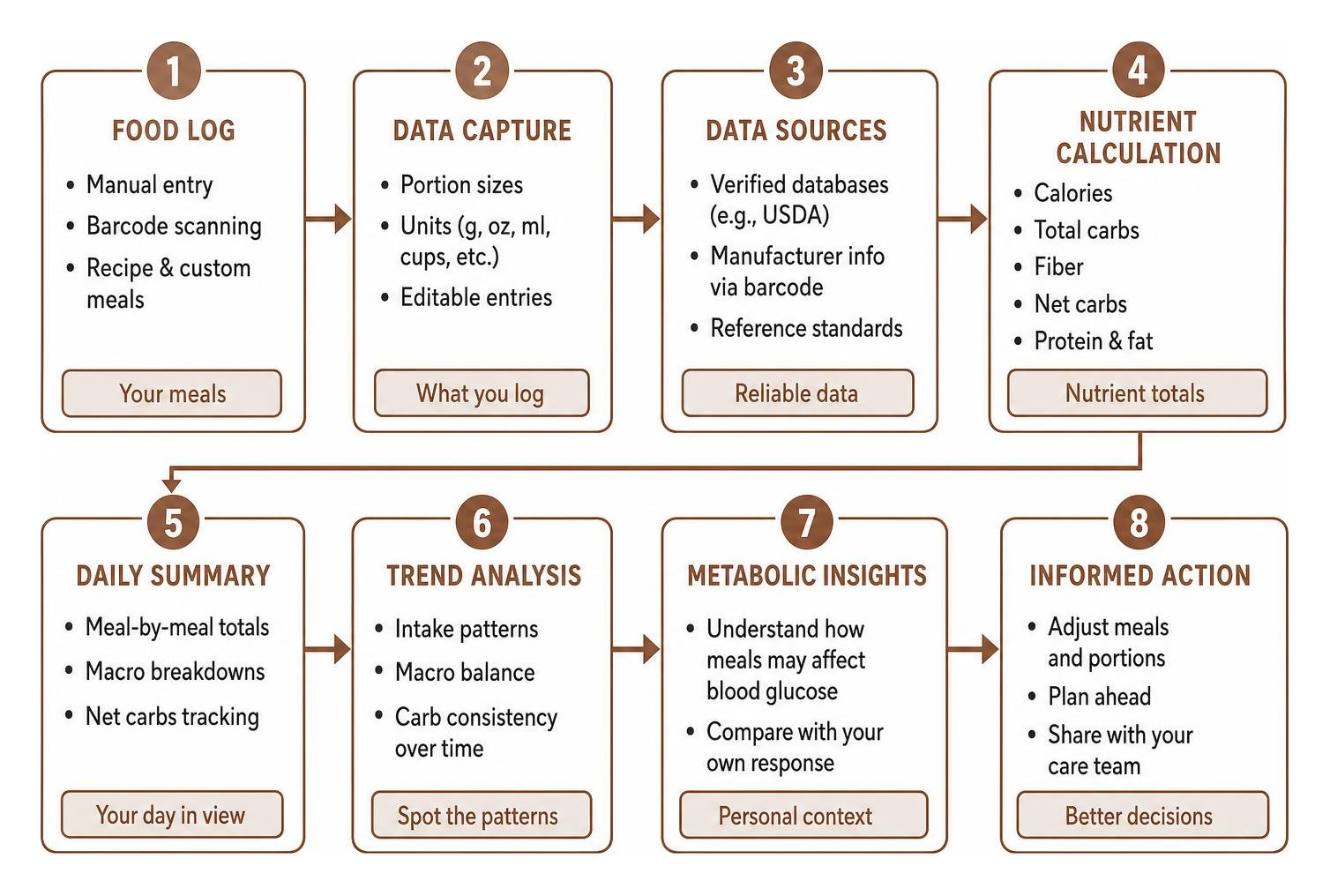
- Verified Database Sources: Food databases containing millions of user-submitted entries frequently contain duplicate or incorrect nutritional data. Look for apps that cross-reference items with verified reference standards, such as USDA FoodData Central.
- Net Carbohydrate Calculation: If you follow a ketogenic lifestyle or manage blood sugar, total carbohydrates tell only half the story. The tracker should automatically subtract dietary fiber (and non-impact sugar alcohols) to give you accurate net carbs.
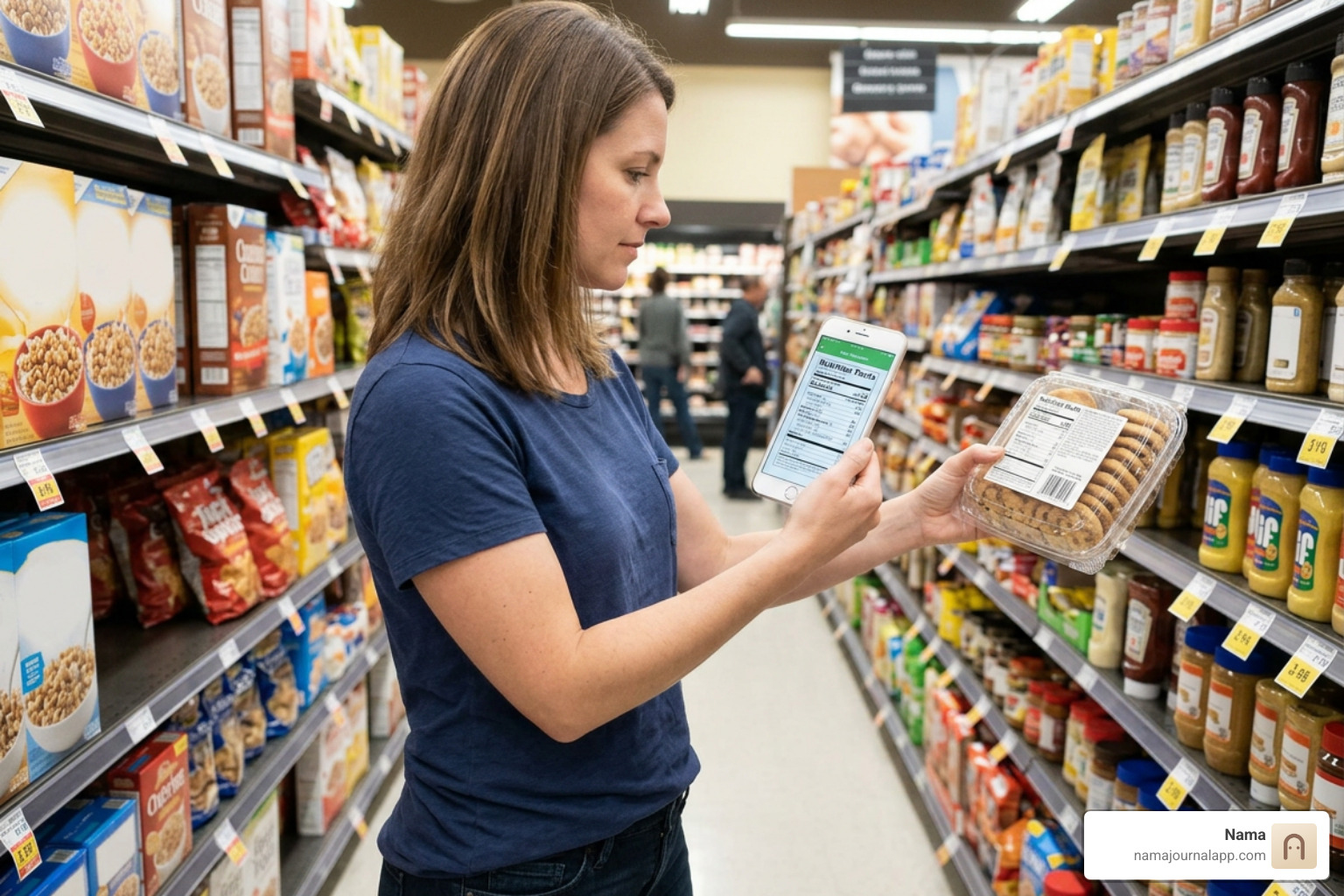
- Barcode Scanning: Scanning a package's barcode eliminates guesswork for pantry staples, snacks, and prepared foods by pulling exact manufacturer serving sizes and macro ratios.
- Portion Estimation and Adjustment: Meals rarely come in neat single-cup increments. A practical app allows you to toggle easily between grams, ounces, milliliters, and intuitive household measurements.
- Granular Macro and Calorie Breakdowns: Beyond basic energy balance, finding an Accurate Calorie Counter that breaks down grams of protein, dietary fat, and carbohydrates per item helps you identify which specific ingredients drive post-meal spikes.
Evaluating Different Types of Nutrition and Macro Trackers
Modern food tracking software generally falls into three main categories: classic database diaries, AI-assisted visual trackers, and all-in-one metabolic journals. Understanding how these tools approach food entry will help you choose the right companion for your routine.
| Tracker Category | Primary Input Method | Best Suited For | Core Strengths | Trade-Offs |
|---|---|---|---|---|
| Traditional Database Diaries | Text search, barcode scanning | General fitness, weight management, structured macro diets | Massive food databases, multi-ingredient recipe builders | Manual search takes longer; user-generated entries can be inaccurate |
| AI Photo-Based Trackers | Image recognition, voice dictation | Diabetes management, GLP-1 users, low-carb/keto | Rapid 3-second meal analysis, itemized plate breakdowns | May require portion adjustments for hidden cooking oils and sauces |
| Private Wellness Journals | Custom logs, meal notes, local inputs | Privacy-focused users, holistic symptom tracking | 100% offline security, no cloud accounts, full metric flexibility | Requires manual entry of custom metrics rather than automated lookup |
Traditional Database Apps That Count Calories and Carbs
Traditional calorie counters rely on extensive text-based databases to track daily intake. Many platforms feature databases spanning millions of foods alongside hundreds of thousands of recipes and curated low-carb meal plans, providing searchable indexes of verified items.
When using a standard Food Diary, you type in each ingredient, select the serving size, and assign it to a meal slot. For home cooks, custom recipe builders allow you to enter raw ingredients in bulk and divide the totals by the number of portions served. If your primary goal is body composition, a dedicated Macronutrients Tracker App provides visual charts comparing your daily protein, fat, and carbohydrate ratios against pre-set caloric targets.
The main drawback of traditional text entry is friction. Logging complex, multi-item meals by searching and selecting five or six individual foods can take several minutes per plate, which can lead to tracker burnout over time.
AI-Powered Photo Apps That Count Calories and Carbs
To reduce logging friction, a newer generation of AI-driven tools leverages computer vision to analyze meals in seconds. For example, modern visual recognition tools allow users to snap a photo of a mixed plate and receive an itemized per-item carb breakdown cross-checked against USDA FoodData Central in roughly three seconds per meal.
These visual tools offer distinct advantages for specific dietary protocols:
- Fast Logging: They capture complex plates—like a restaurant dish containing salmon, roasted vegetables, and rice—without requiring separate database searches for each element.
- Correction Memory: Many modern AI apps learn from user edits. If the algorithm misjudges a side of quinoa as brown rice, correcting it once helps the system remember your preferred ingredients for future logs.
- Alternative Logging Methods: Advanced tools integrate barcode scanning, voice dictation, home screen widgets, and smart-watch logging to make recording meals as effortless as possible.
- GLP-1 and Low-Carb Support: For individuals using GLP-1 receptor agonists or adhering to strict keto regimens, rapid image scanning helps monitor vital protein thresholds and total carbohydrate loads on low-appetite days without requiring tedious food weigh-ins.
Specialized Tracking for Diabetes, Keto, and GLP-1 Diets
For someone without metabolic conditions, an unlogged apple or a miscalculated side of sweet potatoes simply represents a small caloric variance. For individuals managing Type 1 or Type 2 diabetes, however, an unexpected 30-gram carbohydrate discrepancy can directly cause hyperglycemia or lead to insulin dosing errors.

When selecting a tracker for therapeutic diets, look for tools that support clinical context:
- Continuous Glucose Monitor (CGM) Pairing: Correlating meal timestamps with real-time CGM data or finger-stick logs reveals your personal glycemic response to specific carbohydrate sources.
- Biomarker Logging: Managing metabolic health often requires tracking more than macronutrients. Monitoring blood glucose, A1c levels, blood pressure, cholesterol, and blood ketone concentrations provides a complete clinical picture.
- Comprehensive Micronutrient Coverage: While carbs and calories receive the most attention, electrolytes like sodium, potassium, and magnesium play an essential role in preventing dehydration and fatigue on ketogenic diets. Using an App That Tracks Micronutrients alongside macros helps maintain proper electrolyte balance.
- Healthcare Provider Exports: Preparing structured PDF or CSV export summaries simplifies sharing your nutritional habits, glycemic patterns, and insulin logs with your endocrinologist or certified diabetes educator.
Data Accuracy, Calorie Burn Estimates, and Common Pitfalls
While mobile food logs provide valuable structure, relying on them uncritically can lead to common tracking errors.
1. The Trap of Exercise Calorie Burn
A frequent pitfall in commercial fitness trackers is the inflation of exercise energy expenditure. Cardio machines, smartwatches, and connected workout apps frequently overestimate the calories burned during physical activity. When an app automatically adds these estimated calories back into your daily allowance (often called "eating back your calories"), it can stall fat loss or cause unexpected blood glucose fluctuations.
Using an independent Exercise Log to track activity duration and workout intensity—without automatically inflating your meal budget—keeps your energy targets reliable.
2. User-Generated Database Errors
Large public food databases often allow any user to upload custom food entries. As a result, search results can become cluttered with duplicate foods containing missing macro fields, zero-calorie entries for energy-dense items, or inaccurate net carb calculations. Always cross-check packaged goods against the physical nutrition facts label or rely on verified USDA entries.
3. Diabetic Fatigue and Tracking Burnout
Logging every bite of food every day is mentally demanding. For people living with diabetes, this daily cognitive burden is a primary contributor to diabetes-related burnout. If rigorous multi-ingredient tracking becomes overwhelming, switching to quick photo logs, saving recurring meal templates, or focusing on qualitative food journaling can sustain consistency without the mental fatigue.
Frequently Asked Questions About Carb and Calorie Tracking
How accurate are calorie and carb counts in mobile apps?
Nutritional counts in mobile apps are close estimates rather than laboratory measurements. Food manufacturers are legally permitted a margin of variance on packaged food labels, and natural whole foods vary in sugar and water content depending on ripeness and growing conditions. Restaurant meals pose an even greater challenge due to variable cooking oils and portion sizes. Treat app numbers as consistent reference points, and use personal biomarker feedback—such as glucose readings or scale weight—to adjust your portions over time.
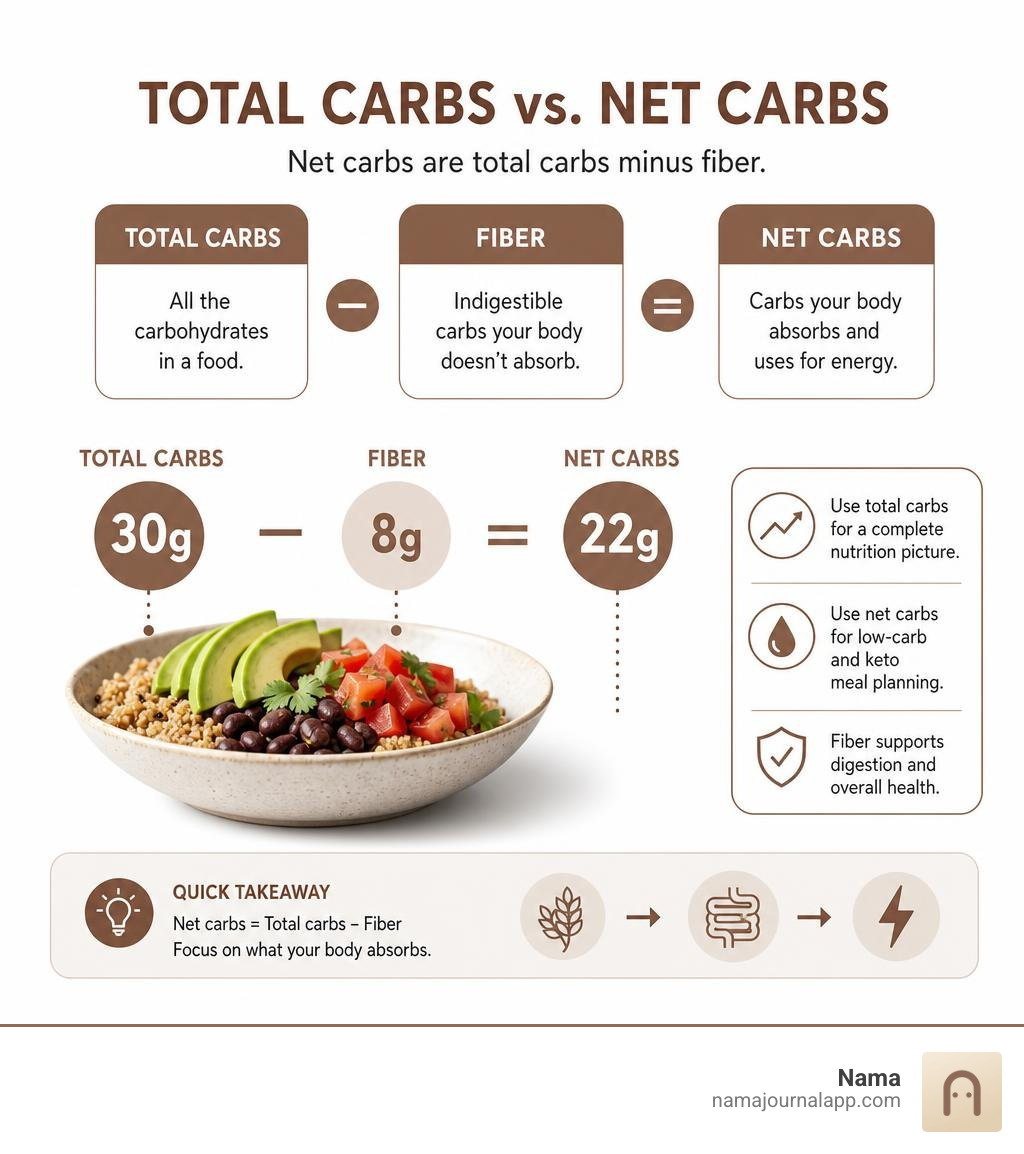
What is the difference between total carbs and net carbs?
Total carbohydrates include all carbohydrate chains found in a food: starches, complex carbohydrates, naturally occurring sugars, added sugars, and dietary fiber.
$$\text{Net Carbs} = \text{Total Carbohydrates} - \text{Dietary Fiber} - \text{Non-Impact Sugar Alcohols}$$
Because your body does not fully digest or absorb dietary fiber into the bloodstream, fiber does not spike blood glucose levels in the same manner as active sugars. Deducting fiber yields "net carbs," which represents the carbohydrate load that directly impacts blood sugar and ketosis.
Do calorie counting apps accurately track exercise burn?
No. Most tracking apps rely on generalized metabolic equivalent formulas that do not account for individual metabolic efficiency, body composition, resting heart rate, or adaptation to exercise. Calorie burn figures displayed on cardio equipment and fitness trackers can overestimate energy expenditure by 20% to 50%. Nutrition experts generally recommend viewing workout metrics as indicators of cardiovascular performance and endurance rather than an exact calorie balance to consume at dinner.
Conclusion
Carbohydrate and calorie tracking does not have to be an all-consuming chore. Whether you prefer the deep search capabilities of traditional food databases or the rapid convenience of modern AI photo scanning, the best tracking method is the one you can sustain consistently without burnout.
If you are looking for a simpler, privacy-first way to log your daily meals, workouts, and wellness habits, consider Nama. Built from the ground up to operate completely offline on your iPhone, Nama requires no account registration, keeps your sensitive health notes off remote cloud servers, and gives you the flexibility to Track Anything from food photos to custom wellness metrics.
Take control of your daily nutrition on your own terms with Nama.